
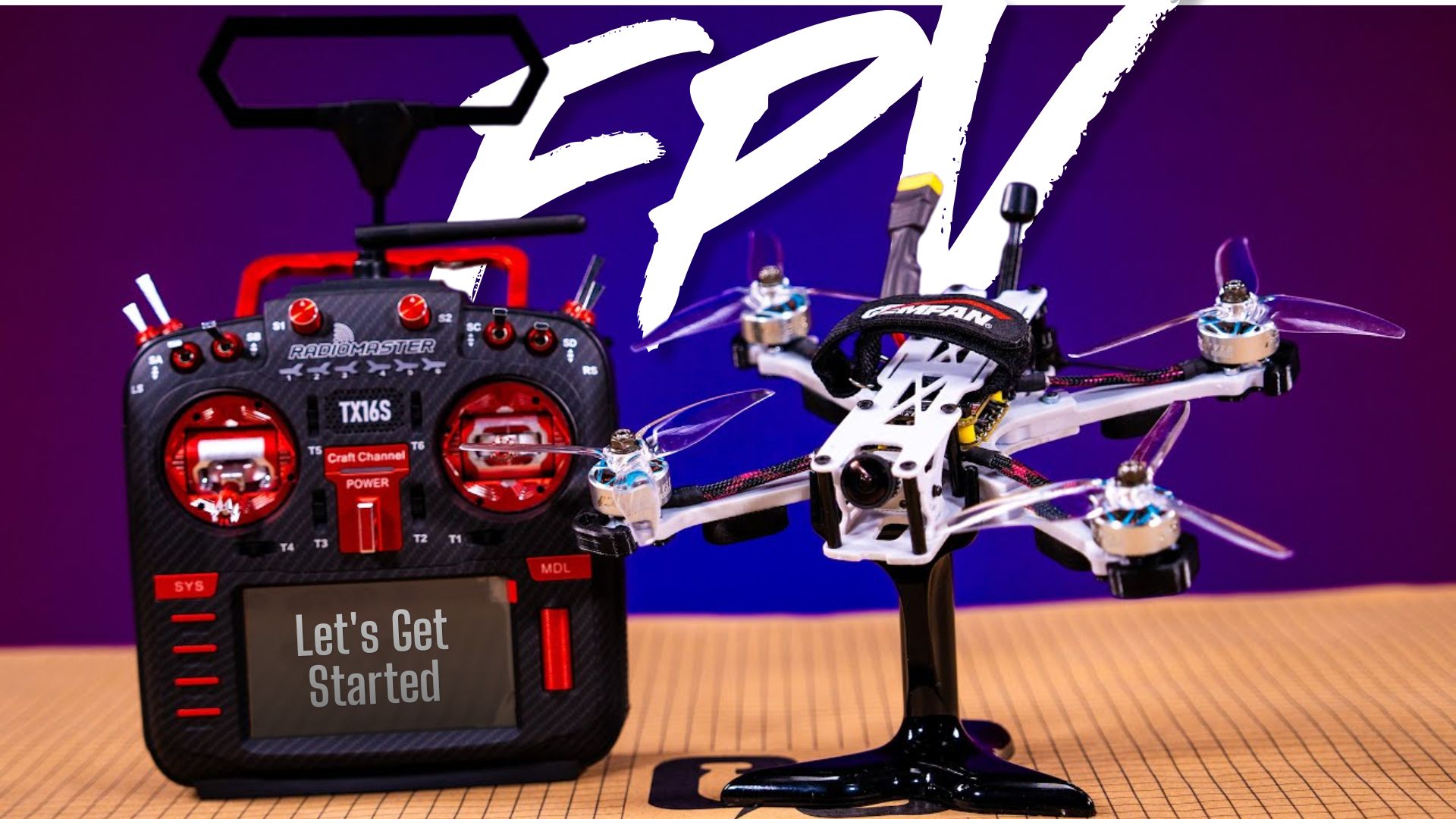
FPV drones, also known as First Person View drones, have transformed the way enthusiasts experience unmanned flight by combining real-time video transmission with precise manual control. From high-speed FPV racing and freestyle flying to long-range exploration and cinematic aerial footage, FPV systems offer a highly immersive and engaging flying experience for beginners and professionals alike.
Getting started with FPV drones can initially feel overwhelming due to the wide range of drone types, components, gear, and software involved. Understanding essential elements such as FPV goggles, radio controllers, LiPo batteries, flight controllers, video transmitters, and tuning systems is important for building confidence and improving flight performance.
This beginner’s guide explores everything you need to know to start your FPV journey, including FPV drone types, building vs buying, simulators, safety practices, essential accessories, tuning basics, and the skills required to become a confident FPV pilot.
What Is an FPV Drone?
For many people, the word “drone” usually brings to mind camera drones like DJI drones, which are mainly used for stable aerial photography and automated flight. FPV drones offer a completely different experience, focusing more on real-time control, responsiveness, and immersive flying rather than automated operation.
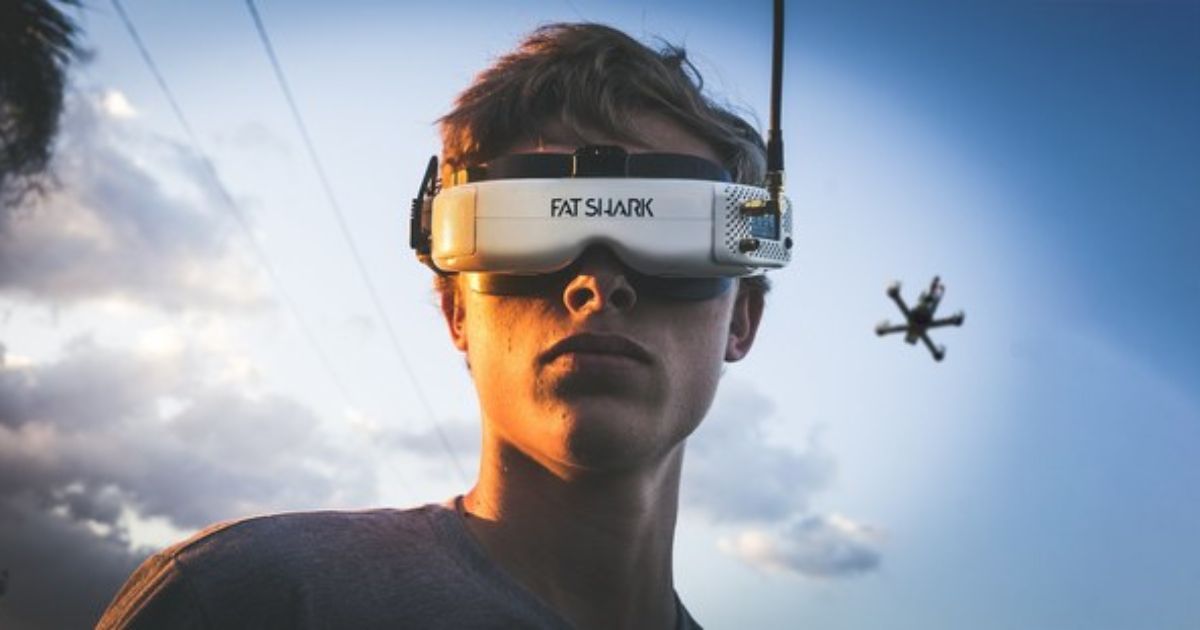
An FPV (First Person View) drone allows the pilot to experience flight from the aircraft’s perspective through a live video feed transmitted to FPV goggles or a display screen. Instead of flying the drone while watching it from the ground, the pilot experiences flight in real time as if sitting inside the aircraft itself.
The combination of real-time video feedback and highly responsive manual control makes FPV drones popular for freestyle flying, racing, cinematic filming, and long-range exploration. For many enthusiasts, FPV flying offers a unique blend of technology, skill, and immersive flight experience.
FPV Drone vs Traditional Camera Drone
Although both FPV drones and traditional camera drones are designed for aerial flight, they offer completely different flying experiences and control styles. Traditional camera drones, such as DJI drones, are mainly built for stable aerial photography, automated flight, and ease of use. Most beginners can learn to fly them quickly using assisted flight features and automated stabilization systems.
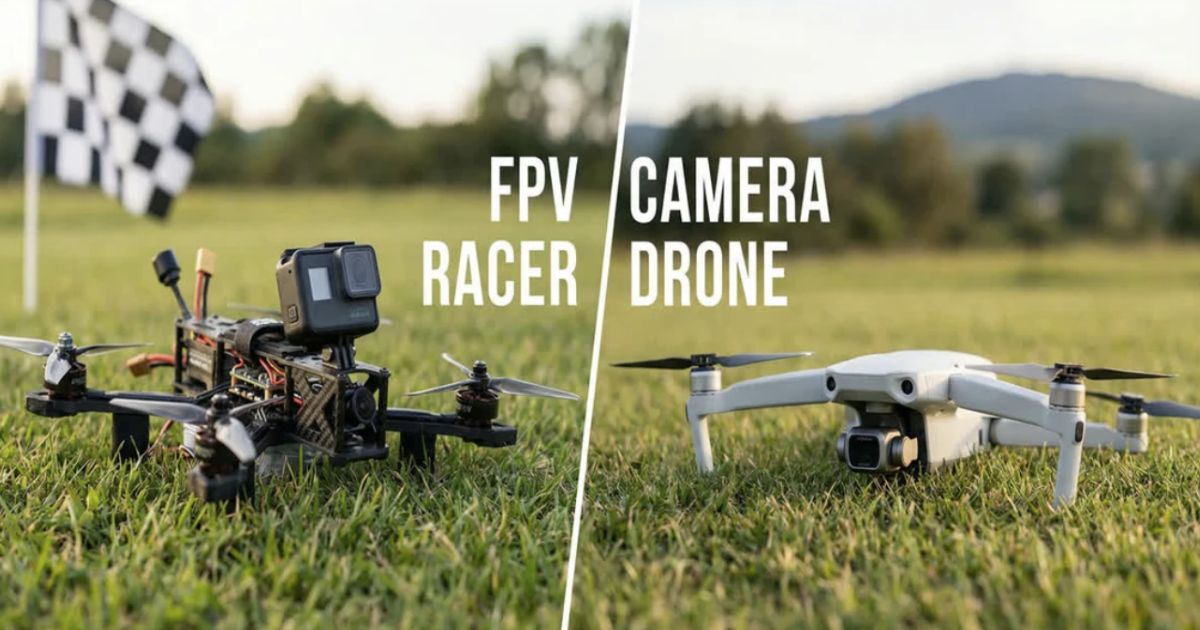
FPV, which stands for First Person View, allows the pilot to see exactly what the drone’s camera sees in real time through FPV goggles or a display screen. This immersive perspective creates the feeling of sitting inside the aircraft itself, giving the pilot a much more connected and dynamic flying experience compared to watching the drone from the ground or through a smartphone screen.
Unlike traditional camera drones, FPV drones are designed for manual control, responsiveness, and agility. This allows pilots to fly through tight spaces, perform freestyle tricks, navigate obstacles with precision, and capture fast-paced cinematic footage that would be difficult to achieve using conventional drones.
Because FPV drones rely more on pilot skill and real-time control, they usually have a steeper learning curve. Learning FPV flying requires practice, focus, and patience, especially when flying in manual or Acro mode. However, for many enthusiasts, this challenge is exactly what makes FPV flying exciting and rewarding.
Beyond racing and freestyle flying, FPV drones have also become popular in cinematic videography, exploration, and creative aerial filming. The growing FPV community around the world continues to attract enthusiasts who enjoy technology, flying, problem-solving, and immersive flight experiences.
Choosing Your FPV Flying Style
FPV drone flying is generally divided into three main styles: freestyle, racing, and cinematic flying. Each style offers a different flying experience, flying technique, and purpose depending on what the pilot wants to achieve. Understanding these categories can help beginners choose the right FPV setup and develop the skills required for their preferred style of flying.
Freestyle FPV
Freestyle FPV focuses on creativity, control, and acrobatic flying. Pilots perform flips, dives, rolls, power loops, and smooth aerial maneuvers while exploring different environments. Freestyle flying is one of the most popular FPV styles because it combines technical skill with personal flying style and creativity.
FPV Racing
FPV racing is focused on speed, precision, and quick reaction time. Racing pilots fly through obstacle courses and gates at very high speeds while maintaining accurate control. Racing drones are usually lightweight, highly responsive, and optimized for maximum performance and acceleration.
Cinematic FPV
Cinematic FPV focuses on capturing smooth and immersive aerial footage. These drones are commonly used for filmmaking, travel videos, action shots, and professional video production. Unlike freestyle or racing, cinematic FPV prioritizes stable movement, controlled flying, and dynamic camera motion to create visually engaging footage.
In addition to these main categories, there are also specialized FPV styles such as Long-Range FPV, which focuses on extended flight distance and exploration, and Tiny Whoops & Indoor FPV, which use small lightweight drones designed for indoor flying, practice, and tight environments.
Many FPV pilots eventually explore multiple flying styles as their skills and experience grow. Each category offers a unique flying experience and helps pilots develop different aspects of FPV control, creativity, and technical understanding.
Getting Started with FPV Drones
Starting with FPV drones can feel overwhelming at first, especially with the wide range of equipment, software, and flying styles available. One of the biggest mistakes beginners make is purchasing a powerful FPV drone immediately without first developing basic control skills. The best way to begin your FPV journey is by following a structured learning approach that helps build confidence and reduces unnecessary crashes and expenses.
Start With an FPV Simulator
Before flying a real FPV drone, it is highly recommended to start with an FPV simulator. Simulators allow beginners to practice flying in a safe virtual environment without risking damage to expensive FPV gear. They help pilots understand basic controls, improve coordination, and develop muscle memory that is essential for real-world flying.
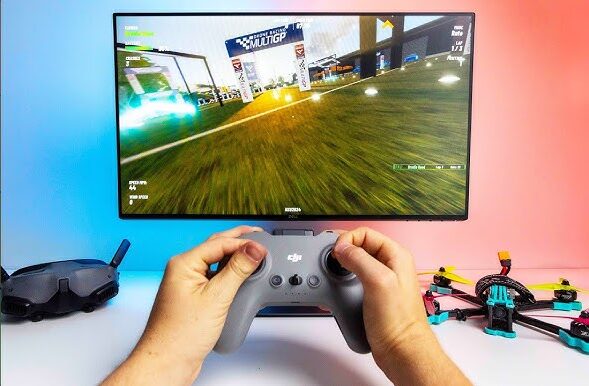
FPV simulators are especially useful for learning Acro mode, which is the standard manual flight mode used in FPV flying. Since FPV drones are highly responsive and manually controlled, simulator practice can significantly reduce the learning curve and improve overall confidence before the first real flight.
Popular FPV simulators such as Liftoff, Velocidrone, Uncrashed, DRL, TRYP FPV, and DCL provide realistic flight physics, customizable drone setups, and different practice environments for both beginners and experienced pilots. If you are a complete beginner, simulators like DRL and FPV Freerider are a great starting point and can even be used on a mobile phone for basic practice. However, for the best and most realistic FPV experience, using a PC setup with a proper radio controller is highly recommended.
Each FPV simulator offers slightly different flight physics and is often better suited for specific flying styles. Simulators like Velocidrone and DCL are commonly preferred for FPV racing due to their precise and responsive physics, while Liftoff, Uncrashed, and TRYP FPV are popular choices for freestyle flying and cinematic practice because of their immersive environments and smoother flight feel.
Starting with a simulator is one of the safest, most affordable, and most effective ways to enter the world of FPV drones.
Choosing Your First Radio Controller
One of the first and most important investments in FPV flying is the radio controller, also known as the transmitter. Since FPV simulators are highly recommended for beginners, starting simulator practice with a proper transmitter instead of a keyboard or gaming controller helps develop correct muscle memory, stick control, and coordination before flying a real FPV drone.
Unlike drones, which may change over time depending on your flying style or requirements, a good radio controller can remain useful for many years. Choosing the right transmitter early can improve comfort, confidence, and the overall learning experience.
For beginners, comfort and compatibility are more important than purchasing the most expensive controller. Since FPV flying requires precise stick control and long practice sessions, the shape, size, switch placement, and grip of the radio controller should feel comfortable in your hands. Many pilots prefer compact gamepad-style radios, while others prefer larger traditional transmitters depending on their flying style and hand size.
Over the years, FPV pilots have used different radio systems such as FlySky, FrSky, Futaba, Crossfire, ELRS, and other proprietary protocols. However, ELRS (ExpressLRS) is currently one of the most recommended radio systems for FPV drones due to its low latency, long range, strong signal reliability, active community support, and affordable hardware ecosystem. It is widely used in freestyle, racing, cinematic, and long-range FPV setups.
Popular beginner-friendly radio controllers include the RadioMaster Boxer, Pocket, TX16S, and Zorro, along with several ELRS-compatible radios from BetaFPV and Jumper. Starting with a reliable ELRS-based transmitter is currently one of the best long-term choices for most beginners entering the world of FPV drones.
Understanding Basic FPV Controls
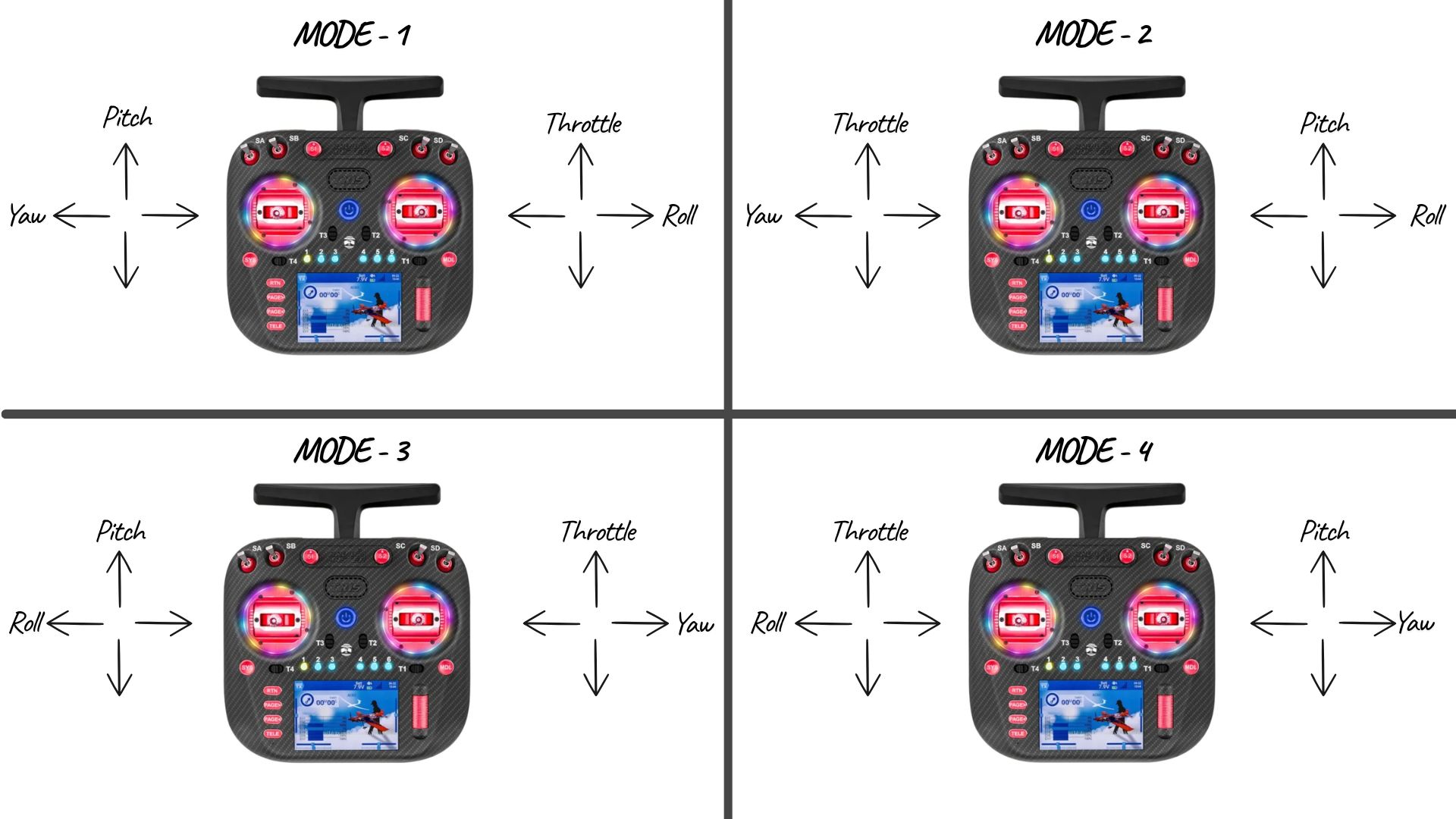
Before practicing in an FPV simulator or flying a real drone, it is important to understand the four basic flight controls used in FPV flying: throttle, pitch, roll, and yaw. These controls determine how the drone moves in the air and are operated using the sticks on the radio controller.
Most FPV pilots use Mode 2, which is the most common transmitter layout used in FPV flying. In Mode 2, the left stick controls throttle and yaw, while the right stick controls pitch and roll.
Unlike fixed-wing RC airplanes, FPV drones do not use control surfaces such as rudders, elevators, or ailerons to change direction. Most FPV drones use a quadcopter configuration with four motors arranged in an “X” layout. The drone moves by changing the rotational speed of individual motors, allowing it to tilt, rotate, and maneuver in different directions.
Throttle
Throttle controls the overall lift of the drone. When the throttle stick is increased, all four motors spin faster at the same rate, generating more thrust and causing the drone to climb upward. Lowering the throttle reduces motor speed and decreases altitude.
Pitch
Pitch controls forward and backward movement. When pitching forward, the rear motors increase speed relative to the front motors, causing the drone to tilt forward and move ahead. Pitching backward works in the opposite way.
Roll
Roll controls left and right movement. To roll right, the motors on the left side increase speed relative to the motors on the right side, causing the drone to tilt and move toward the right. Left roll movements work in the opposite direction.
Yaw
Yaw controls the rotation of the drone around its vertical axis. In a quadcopter, two diagonal motors rotate clockwise while the other two rotate counterclockwise. This opposing motor rotation helps cancel rotational forces and maintain stability during flight.
According to Newton’s Third Law, every action produces an equal and opposite reaction. By changing the speed difference between the clockwise and counterclockwise motor pairs, the drone generates rotational force that allows it to rotate left or right during yaw movements.
Flight Modes
Most FPV drones support different flight modes designed for various skill levels.
- Angle Mode provides self-leveling and is easier for beginners.
- Horizon Mode combines self-leveling with limited acrobatic movement.
- Acro Mode provides full manual control without self-leveling and is the standard mode used in freestyle flying, racing, and advanced FPV flying.
Although Acro mode can feel challenging at first, it offers the highest level of control and is the preferred flight mode for most experienced FPV pilots.
Bind-and-Fly vs Building Your First FPV Drone
After spending time in an FPV simulator and becoming comfortable with the basic controls, the next step is choosing your first real FPV drone. For most beginners, this usually comes down to two options: buying a Bind-and-Fly (BNF) drone or building a custom FPV drone from individual components.
Bind-and-Fly (BNF) FPV Drones
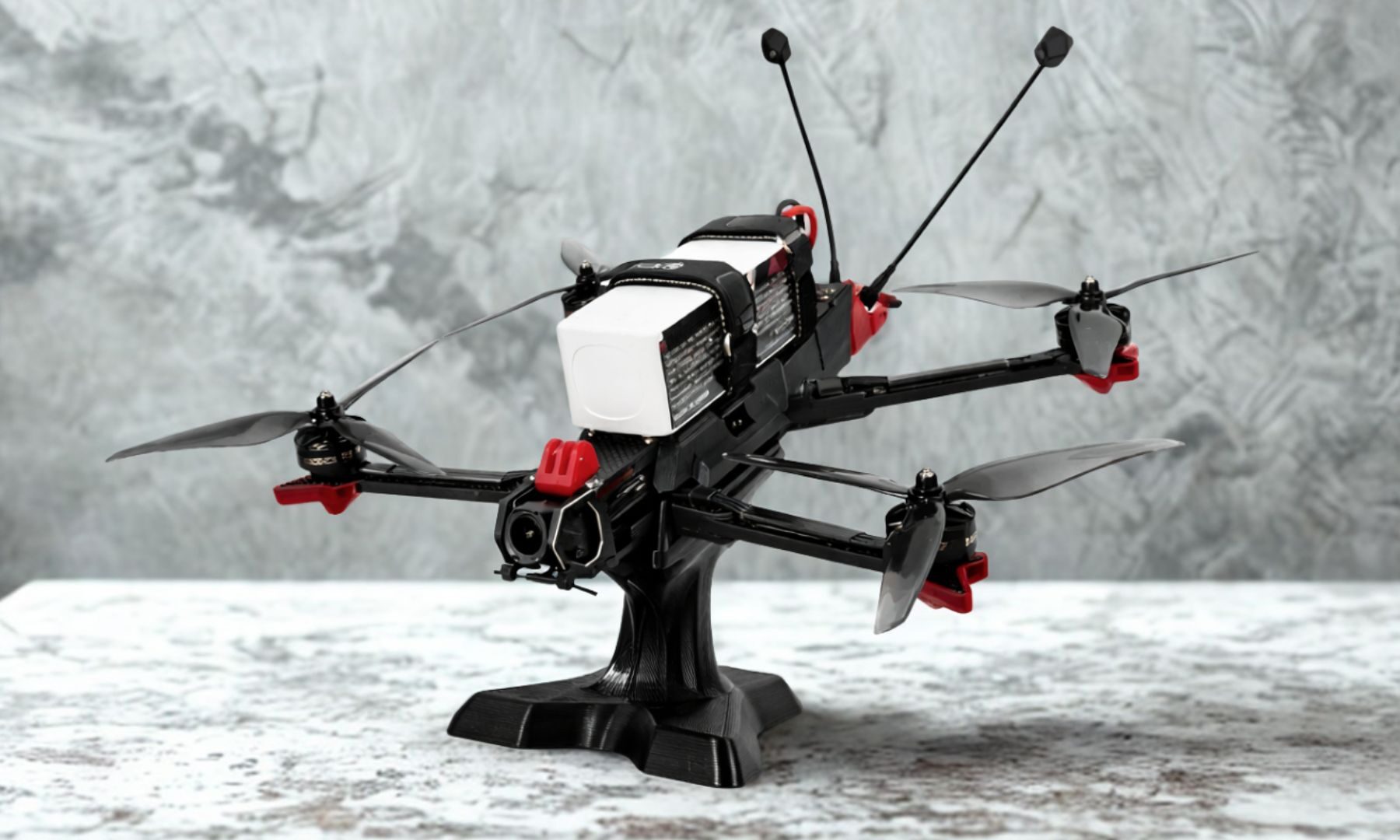
Bind-and-Fly drones come prebuilt and preconfigured from the manufacturer, allowing beginners to start flying much faster. If you already have enough confidence from simulator practice and want to experience real FPV flying quickly, a BNF drone can be a great option.
BNF drones are especially useful for beginners who want to focus first on flying skills rather than assembly and technical setup. In most cases, you simply bind the drone to your radio controller, configure a few basic settings, and start flying.
Building Your Own FPV Drone
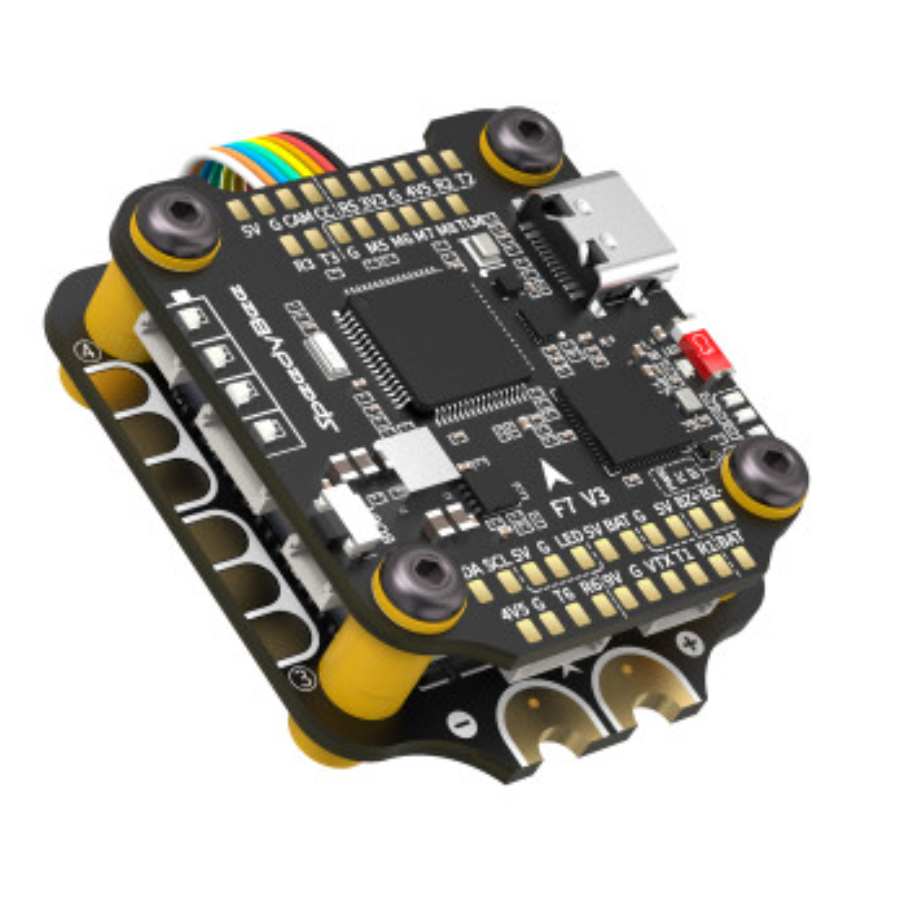
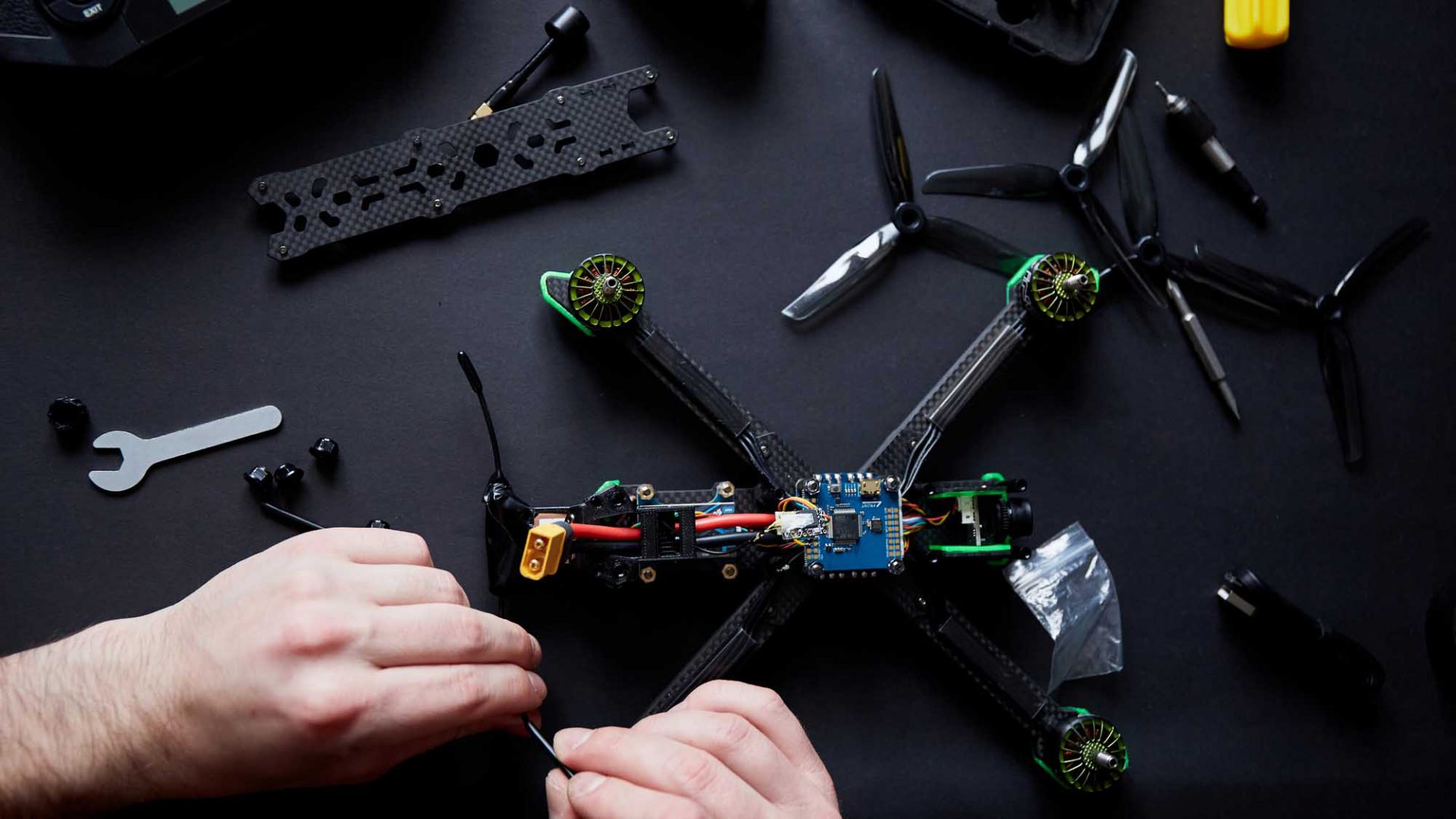
Building an FPV drone from scratch takes more time and patience, but it provides a much deeper understanding of how FPV systems actually work. During the building process, pilots learn about components such as motors, ESCs, flight controllers, video systems, receivers, antennas, and power distribution.
Although building can initially feel more difficult, it often helps beginners become more confident because they understand how to diagnose problems, replace damaged parts, and repair the drone after crashes.
Why Learning the Drone Anatomy Matters
Regardless of whether you start with a BNF drone or a custom build, learning the anatomy of an FPV drone is extremely important. Crashes are a normal part of FPV flying, especially during the learning phase, and pilots eventually need to understand how to troubleshoot and repair their drones.
Over time, even BNF pilots gradually learn more about components, tuning, maintenance, and system setup through repairs, upgrades, and regular flying experience. Understanding how the drone works not only improves confidence but also helps pilots become safer and more capable FPV operators.
Very good blog! Do you have any hints for aspiring writers? I’m planning to start my own website soon but I’m a little lost on everything. Would you recommend starting with a free platform like WordPress or go for a paid option? There are so many choices out there that I’m completely overwhelmed .. Any tips? Kudos!