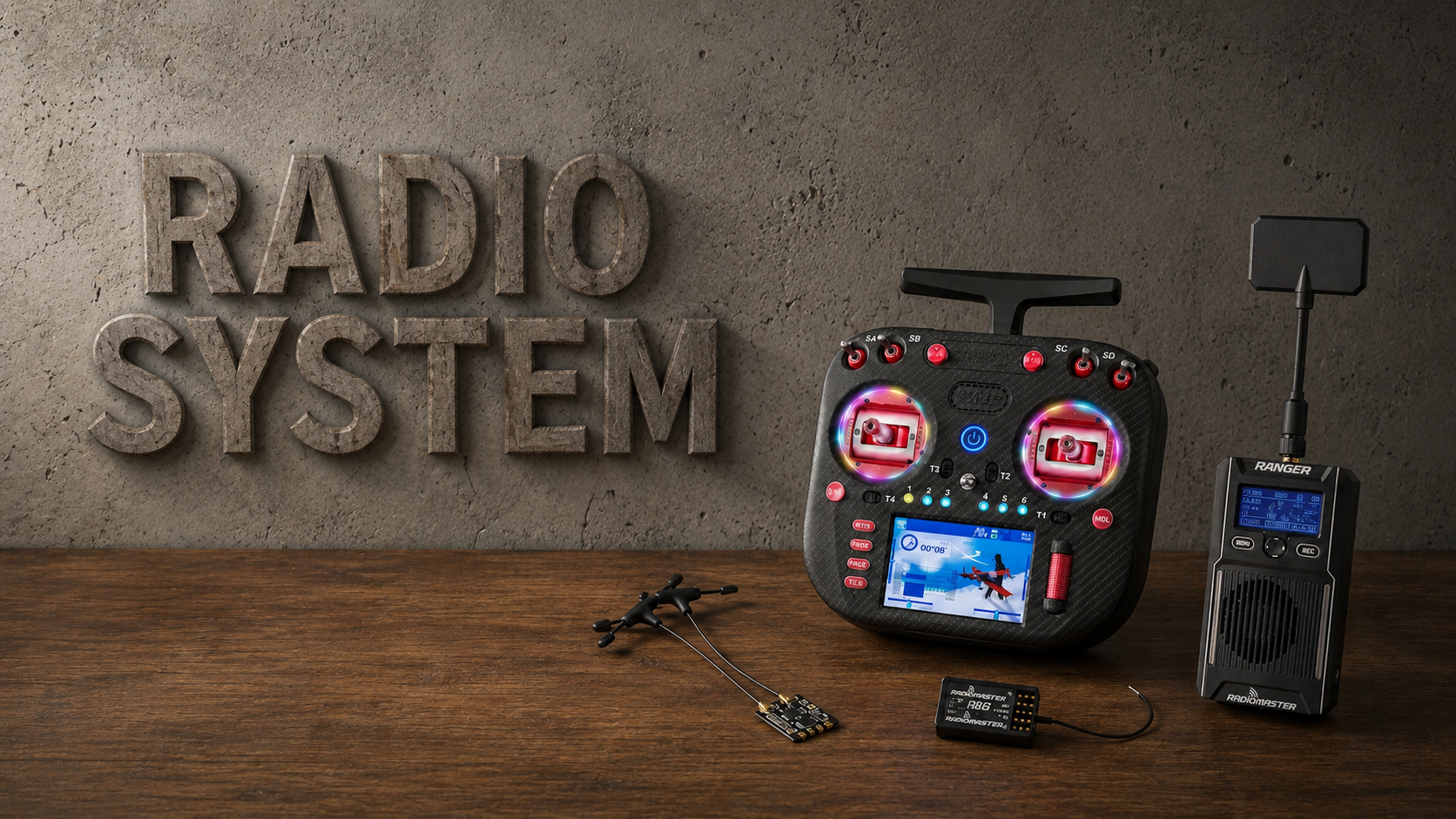
Every radio-controlled (RC) aircraft, whether it’s an FPV drone, fixed-wing airplane, helicopter, or VTOL platform, relies on one essential system to establish communication between the pilot and the aircraft—the RC radio system. It serves as the primary link that allows the pilot to control the aircraft safely and accurately throughout the flight.
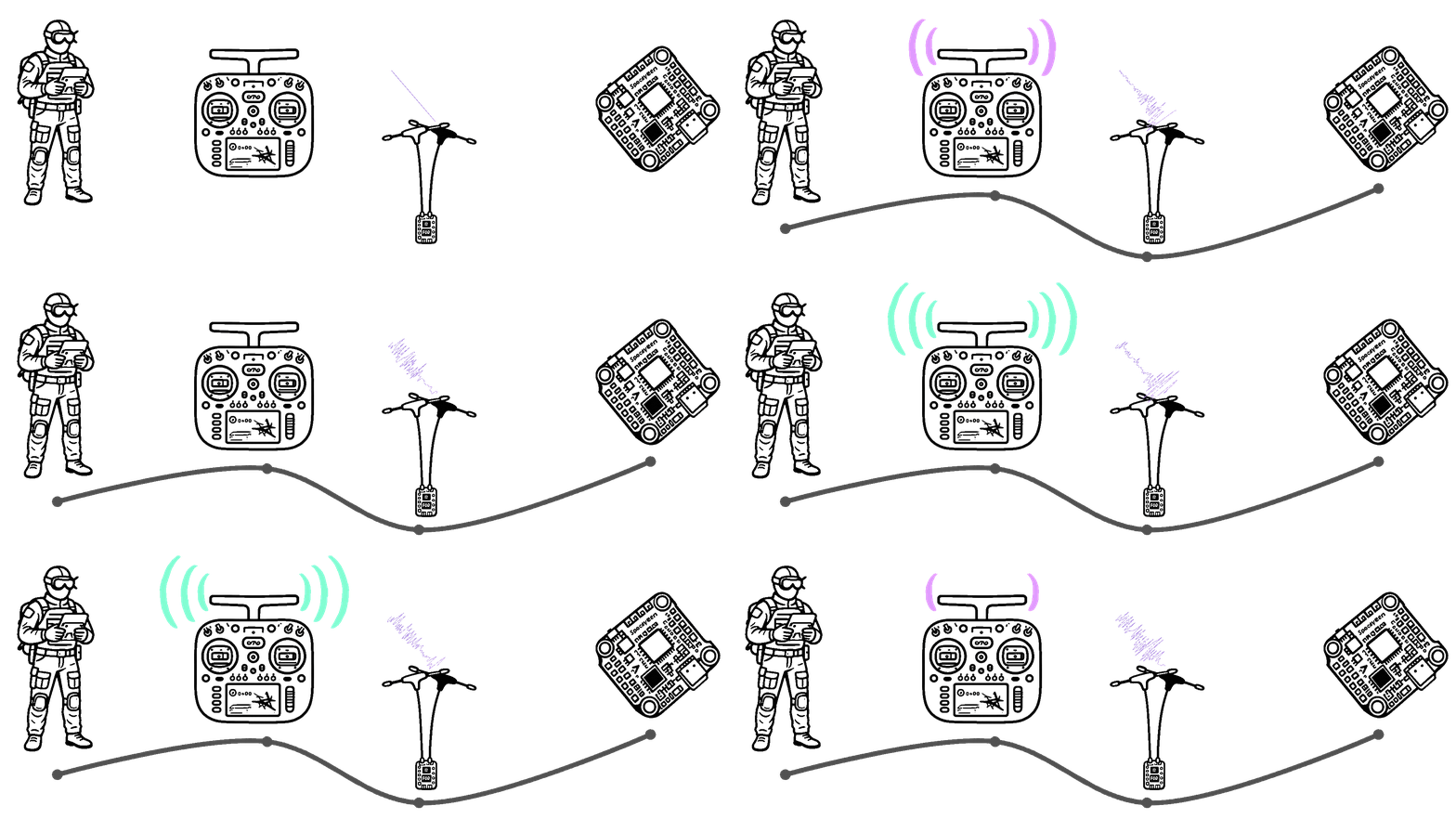
Whenever you move a control stick on your transmitter, your inputs are converted into radio signals and transmitted wirelessly to the onboard receiver. The receiver then passes these commands to the flight controller or directly to the servos, allowing the aircraft to respond almost instantly. A reliable RC radio system is therefore essential for maintaining precise control and ensuring safe flight.
Modern RC radio systems have evolved from simple analog communication to advanced digital protocols that offer longer range, lower latency, improved interference resistance, and real-time telemetry. Understanding how these systems work is the first step toward choosing the right radio system for your aircraft and flying requirements.
The Communication Flow
Although the communication process happens almost instantly, several components work together to transmit the operator’s commands to the aircraft.
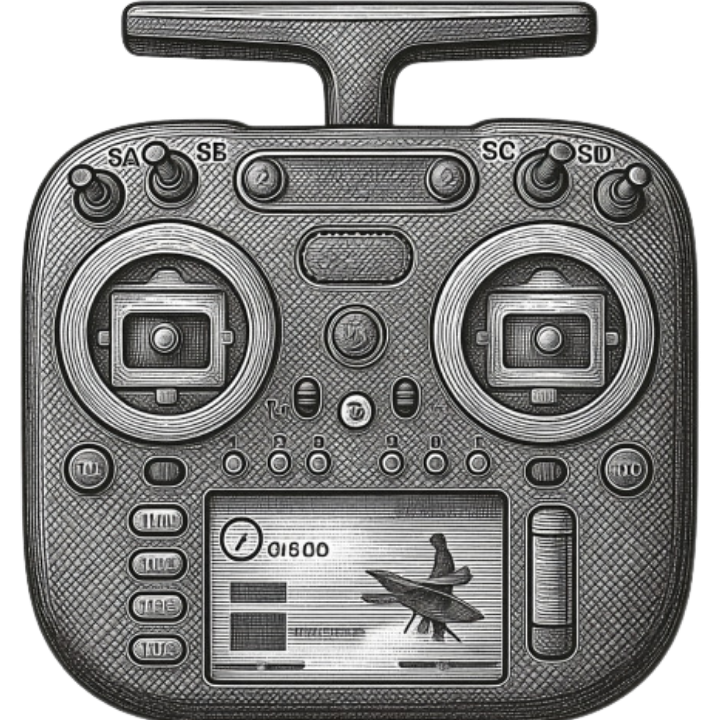
Radio Transmitter
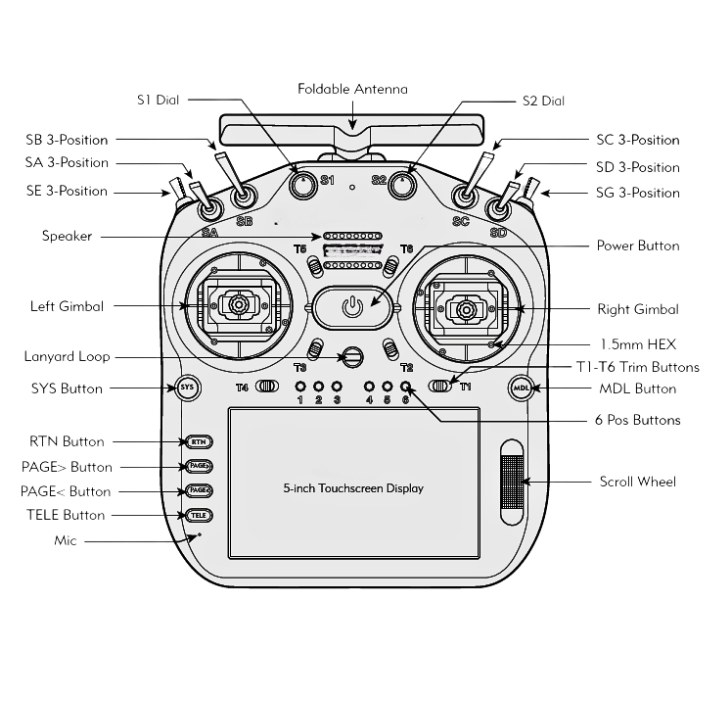
The radio transmitter is the primary interface between the pilot and the aircraft. It allows the pilot to send control inputs while also providing access to various settings, flight modes, telemetry information, and communication options. Modern transmitters include several hardware components, each designed to perform a specific function.
Gimbals
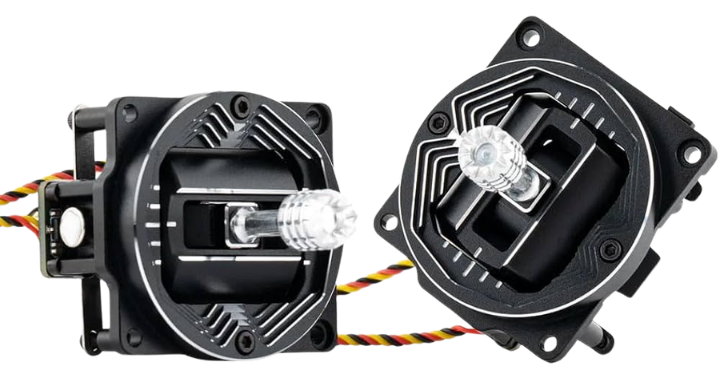
Gimbals are the two control sticks on a radio transmitter used to control an aircraft. Each gimbal moves along two axes, providing control over the four primary flight functions: Throttle, Yaw, Pitch, and Roll.
Most modern transmitters are equipped with Hall-effect gimbals, which use magnetic sensors instead of traditional potentiometers. They offer smoother stick movement, greater precision, improved durability, and require less maintenance, making them the preferred choice for today’s RC pilots.
Channels
A channel is an individual control signal transmitted from the radio transmitter to the receiver. Each channel is assigned to a specific function, allowing the pilot to control different aspects of the aircraft independently.
In most RC aircraft, the first four channels are used for the primary flight controls:
Channel 1 – Roll (Aileron)
Channel 2 – Pitch (Elevator)
Channel 3 – Throttle
Channel 4 – Yaw (Rudder)
Channel 5 and above – Auxiliary Functions
Additional channels are used for auxiliary functions such as flight mode selection, arming, camera control, landing gear, GPS Rescue, lights, payload release, and other customizable features.
The total number of channels available on a transmitter determines how many independent functions can be controlled. For example, a 6-channel transmitter can control six separate functions, while a 16-channel transmitter provides greater flexibility for more advanced aircraft and applications.
Switches, Rotary Knobs & Sliders
Modern RC transmitters include more than just the control sticks. They also feature switches, rotary knobs, and sliders that allow the pilot to control additional aircraft functions during flight.
Switches
Switches are used to turn functions on or off or to switch between different flight modes. Most transmitters include 2-position, 3-position, and momentary switches.
They are commonly used for:
Arming and disarming the aircraft
Changing flight modes
Activating GPS Rescue
Turning the buzzer on
Controlling lights or other accessories
Rotary Knobs
Rotary knobs can be turned smoothly, making them ideal for functions that require gradual adjustments instead of simple on/off control.
They are commonly used for:
Camera gimbal control
Servo position adjustment
Camera zoom or focus
Gain adjustment
Sliders
Sliders work similarly to rotary knobs but move in a straight line. They also provide smooth and precise control over different aircraft functions.
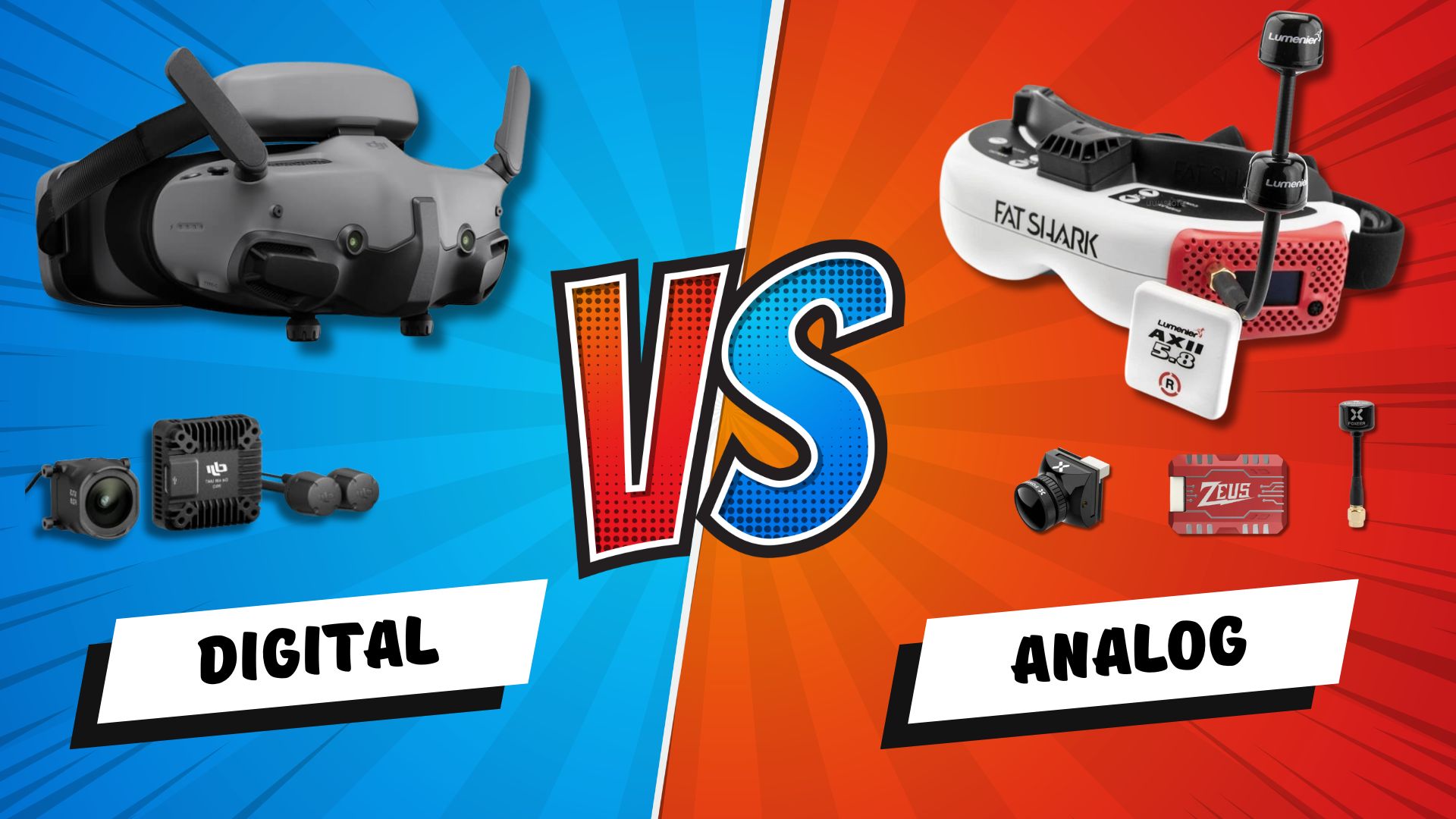
One of the biggest decisions FPV pilots face is choosing the right video system. Today, pilots can choose between analog and digital FPV systems. Each option offers different advantages in image quality, latency, range, reliability, and cost. While analog FPV remains popular in certain applications, many new FPV pilots now prefer digital systems because of their superior image quality and overall flying experience.
There is no single “best” FPV video system for every pilot. The right choice depends on flying style, budget, performance requirements, and personal preference. A system that works well for a racing pilot may not be the best option for cinematic flying or long-range exploration.
Before comparing analog and digital FPV systems, it is important to understand how an FPV video system works and how the video signal travels from the drone to the pilot’s goggles in real time.
How an FPV Video System Works
The primary purpose of an FPV video system is to transmit live video from the drone to the pilot in real time. This allows the pilot to see from the drone’s perspective while flying.
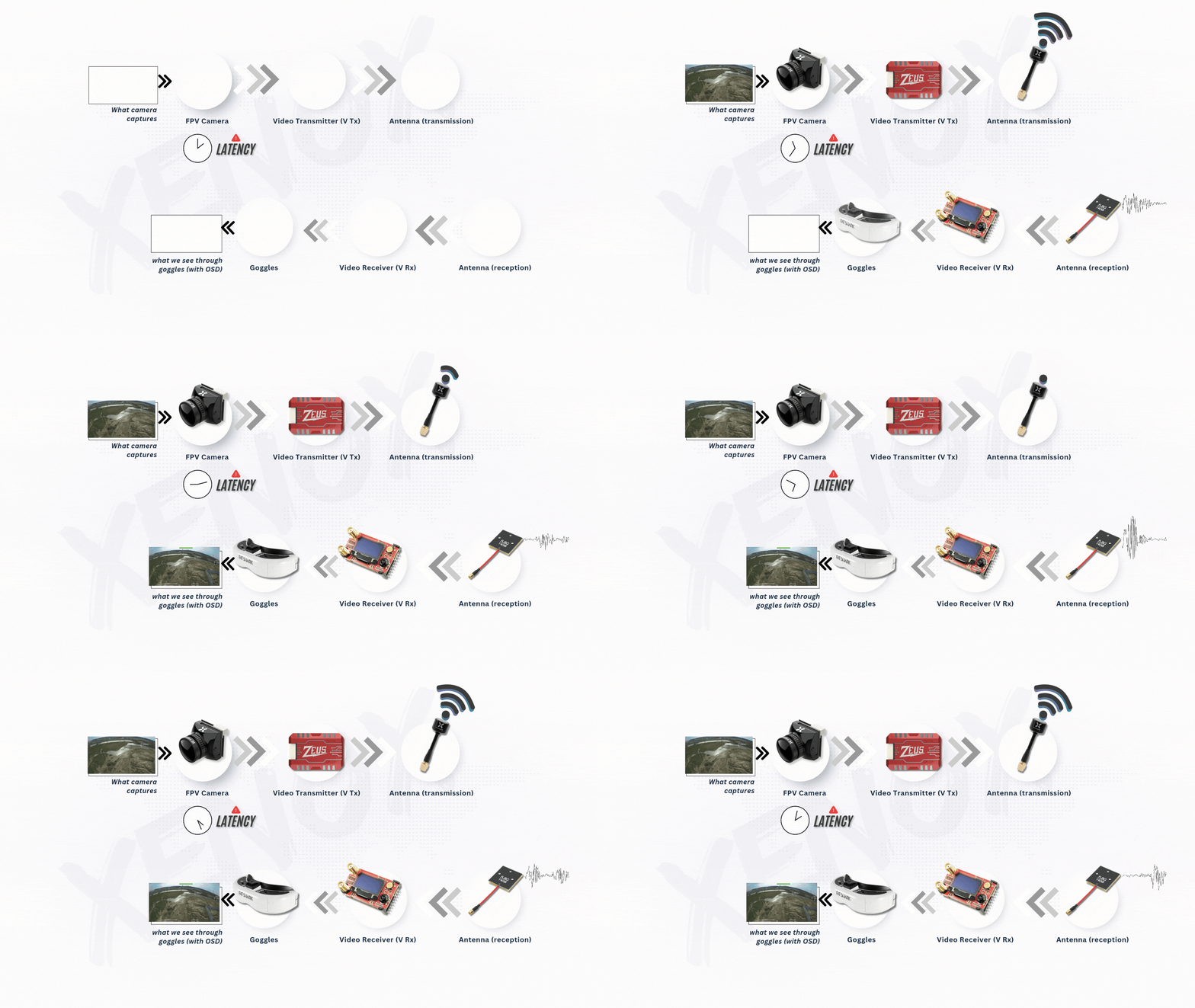
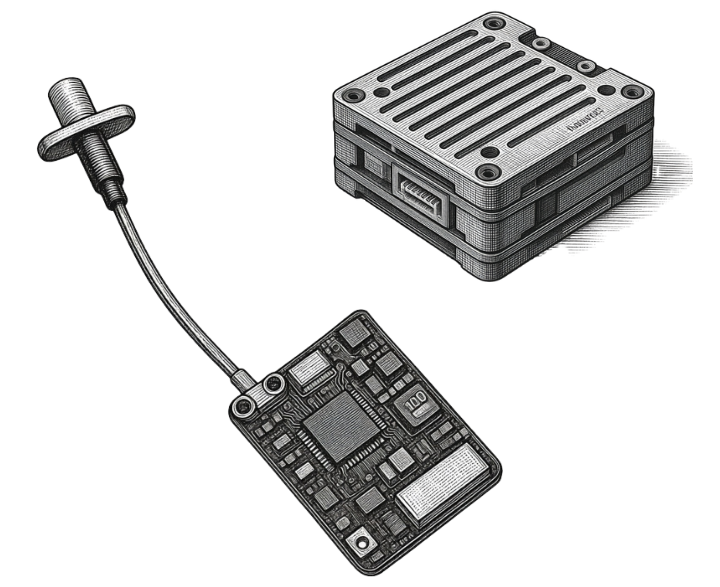
At its most basic level, an FPV video system consists of four main components: the FPV camera, Video Transmitter (VTX), antennas, and FPV goggles.
The process begins when the FPV camera captures video from the drone’s perspective. The camera sends this video signal to the Video Transmitter (VTX), which broadcasts it wirelessly through the antenna.
The antenna on the FPV goggles receives this signal and delivers it to the goggles for display. The pilot can then view the live video feed and control the drone accordingly.
FPV Camera → Video Transmitter (VTX) → Antenna → FPV Goggles
This entire process happens continuously throughout the flight. As the drone moves, the camera captures new video frames and sends them to the goggles in real time. The pilot observes the video feed, makes control inputs, and receives updated visual feedback almost instantly.
Although the basic signal flow remains the same, FPV systems use different technologies to transmit video. These technologies are generally divided into two categories: Analog FPV and Digital FPV.
Understanding Latency
Latency is a common term used throughout the FPV world. You may hear it when discussing radio control links, telemetry systems, video transmission, and even flight controllers. In simple terms, latency refers to a delay between an action and the corresponding response.
In the context of an FPV video system, latency is the delay between what the FPV camera sees and what appears in the pilot’s FPV goggles.
For example, if the drone passes a tree branch, the camera sees it instantly. However, a small amount of time is required to process, transmit, receive, and display that video signal. The delay between the actual event and what you see in the goggles is known as video latency.
Latency is usually measured in milliseconds (ms). Lower latency provides a more responsive flying experience because the pilot receives visual feedback more quickly. This becomes especially important in FPV racing and high-speed freestyle flying, where pilots must react to obstacles and changes in direction almost instantly.
Fixed Latency
Fixed latency means the video system maintains a relatively consistent delay throughout the flight.
For example, if a video system operates with a latency of 25 ms, the delay remains close to that value under most flying conditions. Because the delay stays predictable, pilots can develop consistent timing and control. This is one reason why many racing pilots prefer systems that prioritize fixed latency.
Variable Latency
Variable latency means the delay changes depending on factors such as signal strength, interference, bitrate, and transmission conditions.
For example, a video system may operate at 20 ms under ideal conditions but increase to 40 ms or more when signal quality decreases. Variable latency can improve image quality and transmission reliability, but the changing delay may feel less predictable during aggressive flying.
Many modern digital FPV systems use variable latency to balance image quality, range, and signal stability.
Analog FPV Video System
Analog FPV is the traditional video transmission technology used in FPV drones. Although digital systems have become increasingly popular in recent years, many pilots still use analog FPV for racing drones, Tiny Whoops, and budget-friendly FPV builds.
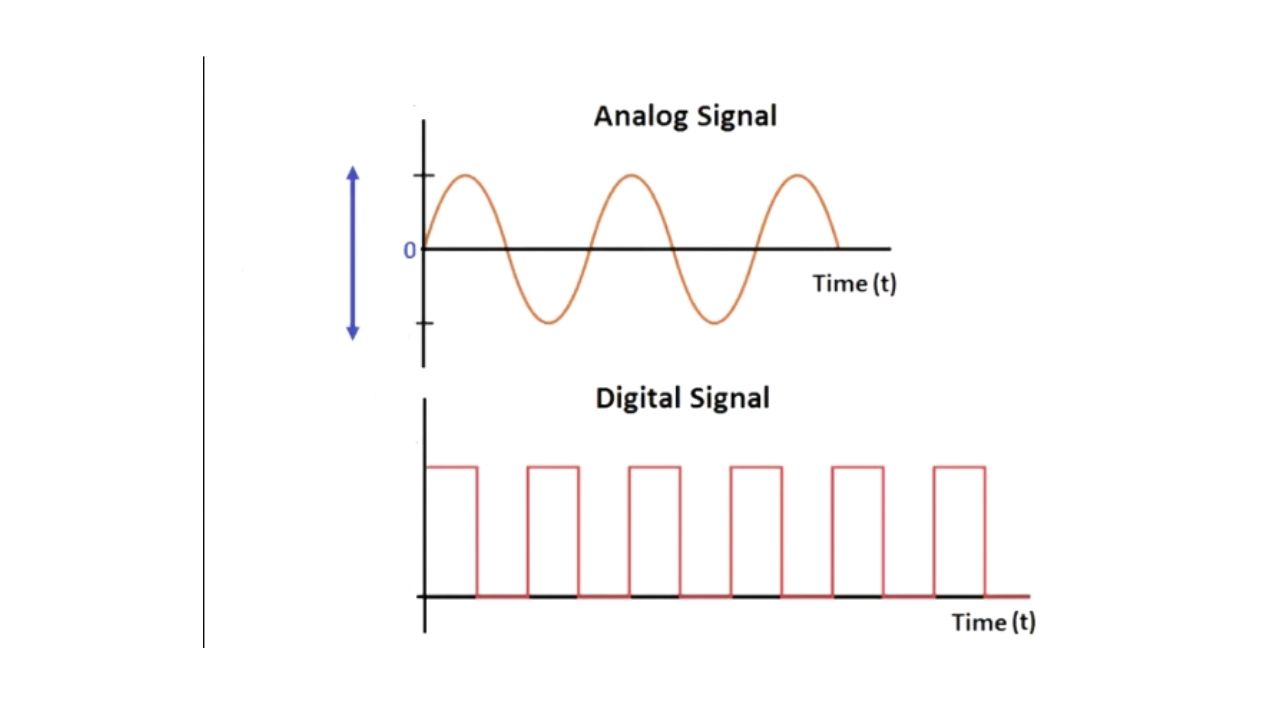
In an analog FPV system, the video signal travels continuously from the drone to the pilot’s goggles. This direct transmission method typically results in very low latency and a highly responsive flying experience, making analog FPV a popular choice among racing pilots.
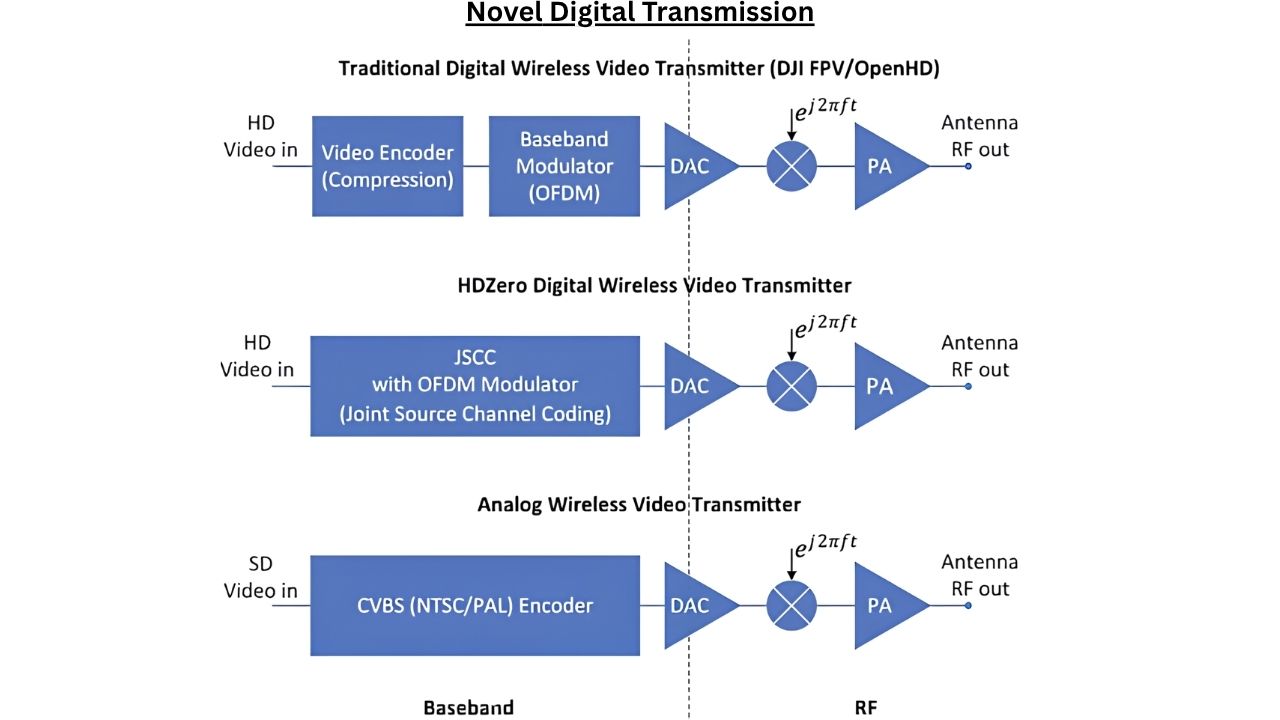
The video information travels by continuously modifying a radio-frequency carrier signal generated by the Video Transmitter (VTX). Most analog FPV systems use frequency modulation (FM) to carry the video signal from the drone to the goggles. Because the signal travels continuously, the goggles can display the video with minimal delay.
One characteristic of analog FPV is its susceptibility to interference and signal noise. As the signal weakens, static and visual artifacts gradually appear in the video feed. Instead of freezing suddenly, the image becomes progressively noisier, giving the pilot a clear indication that signal quality is decreasing.
Another major advantage of analog FPV is its low cost and excellent cross-compatibility. Pilots can combine analog cameras, VTXs, receivers, and goggles from different manufacturers without major compatibility concerns. This flexibility provides a wide range of equipment choices and upgrade options.
However, analog systems generally produce lower image quality and less visual detail than modern FPV video systems.
Digital FPV Video System
Digital FPV is a newer video transmission technology that delivers significantly higher image quality than traditional analog systems. Instead of transmitting the video as a continuously varying signal, digital systems convert the video into digital data before transmission.
At its core, digital communication represents information using binary data (1s and 0s). The video captured by the camera is converted into digital information and transmitted wirelessly to the goggles. The goggles then decode this data and reconstruct the video image for the pilot.
This approach allows digital FPV systems to provide sharper images, higher resolutions, better color reproduction, and a more immersive flying experience. As a result, digital FPV has become increasingly popular among freestyle pilots, cinematic pilots, and content creators.
Digital FPV systems also offer features such as onboard recording, telemetry integration, DVR recording, and customizable on-screen displays (OSD).
However, these advantages come with certain trade-offs. Digital FPV systems generally cost more than analog setups and may introduce additional latency due to video processing and transmission. Depending on the system and transmission conditions, pilots may also experience fixed or variable latency.
Another important difference is ecosystem compatibility. Unlike analog FPV systems, which offer excellent cross-compatibility between manufacturers, digital FPV systems usually operate within their own ecosystems. As a result, cameras, video transmitters, goggles, and receivers often need to belong to the same system to ensure compatibility.
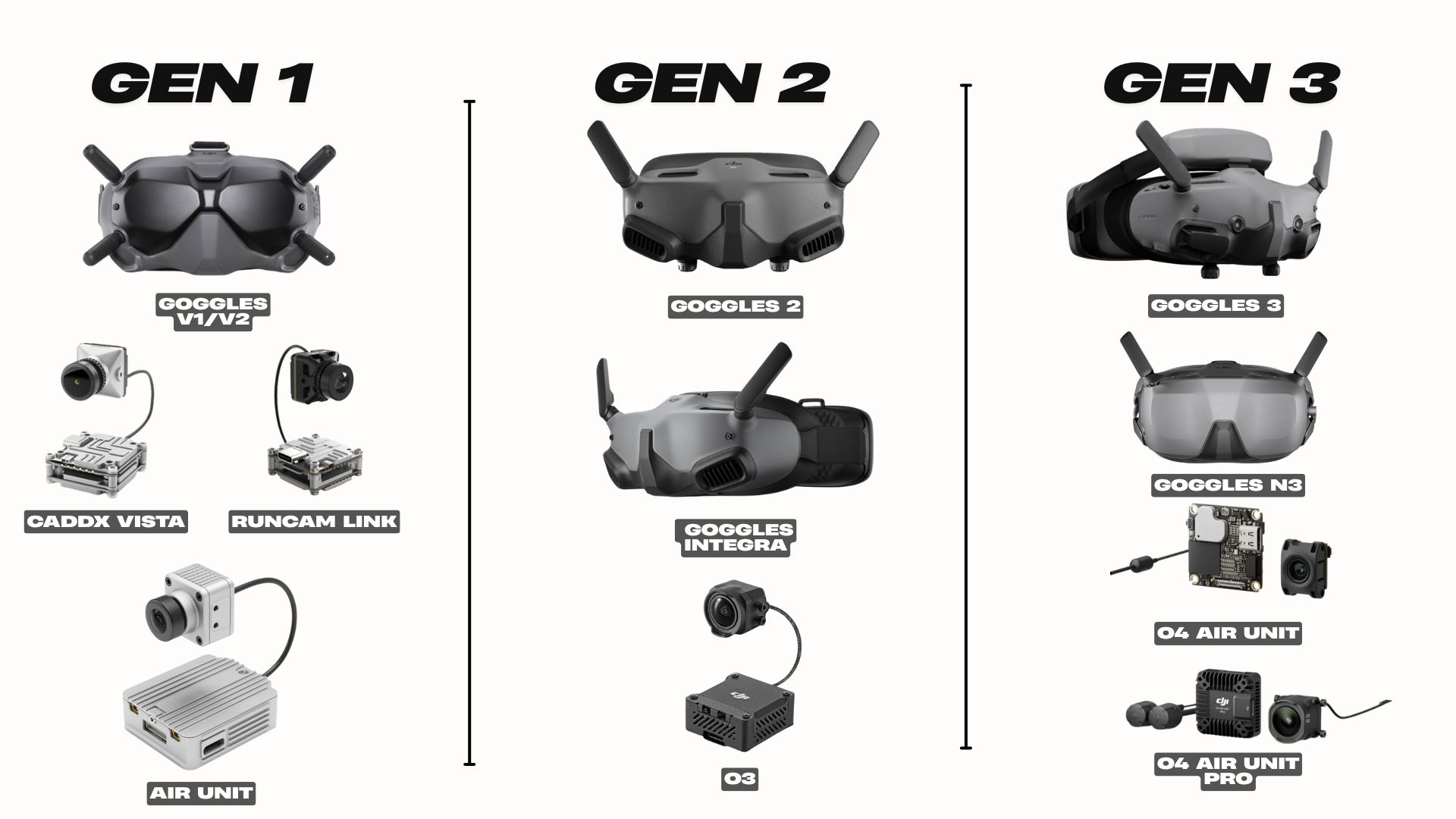
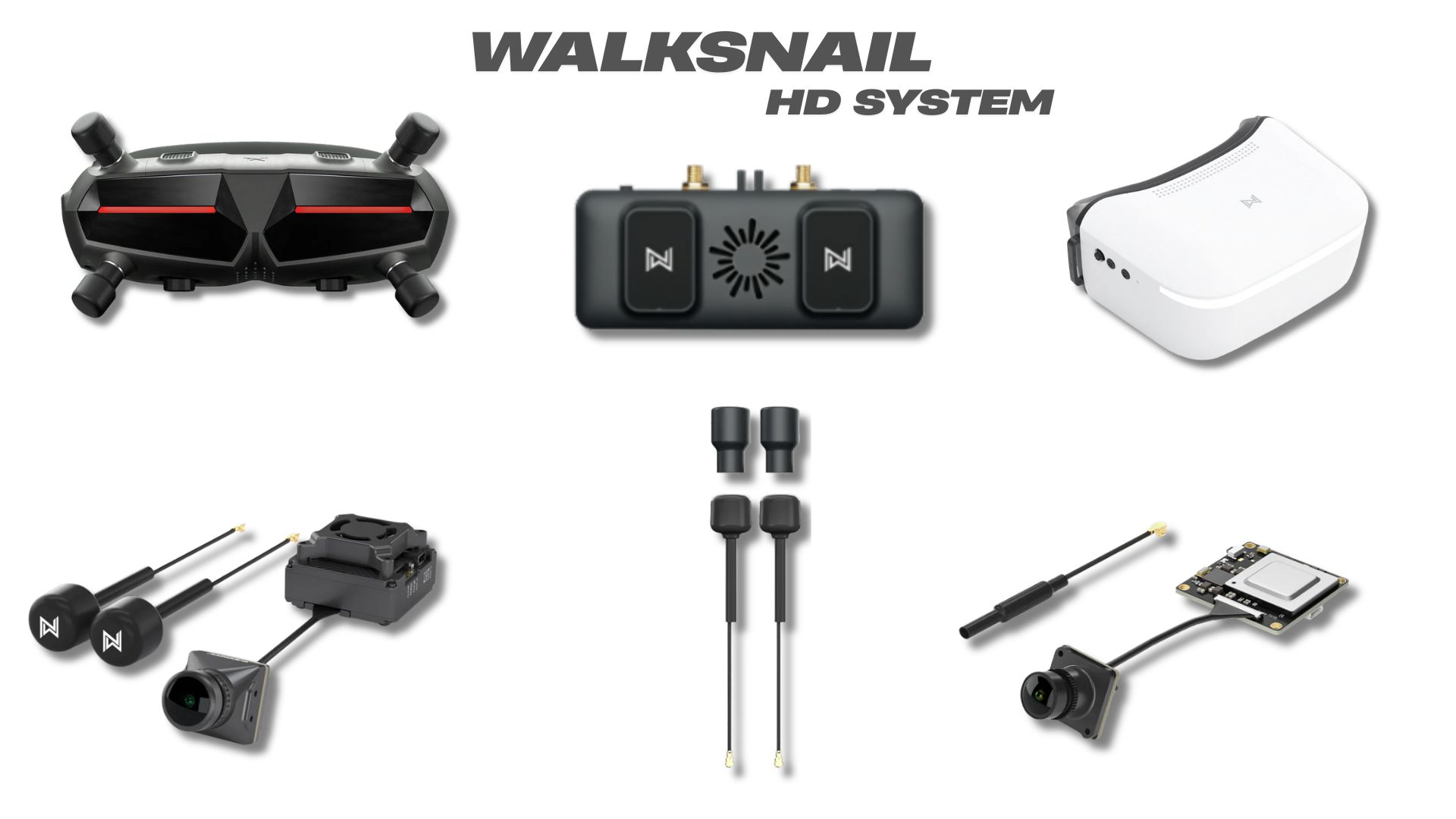
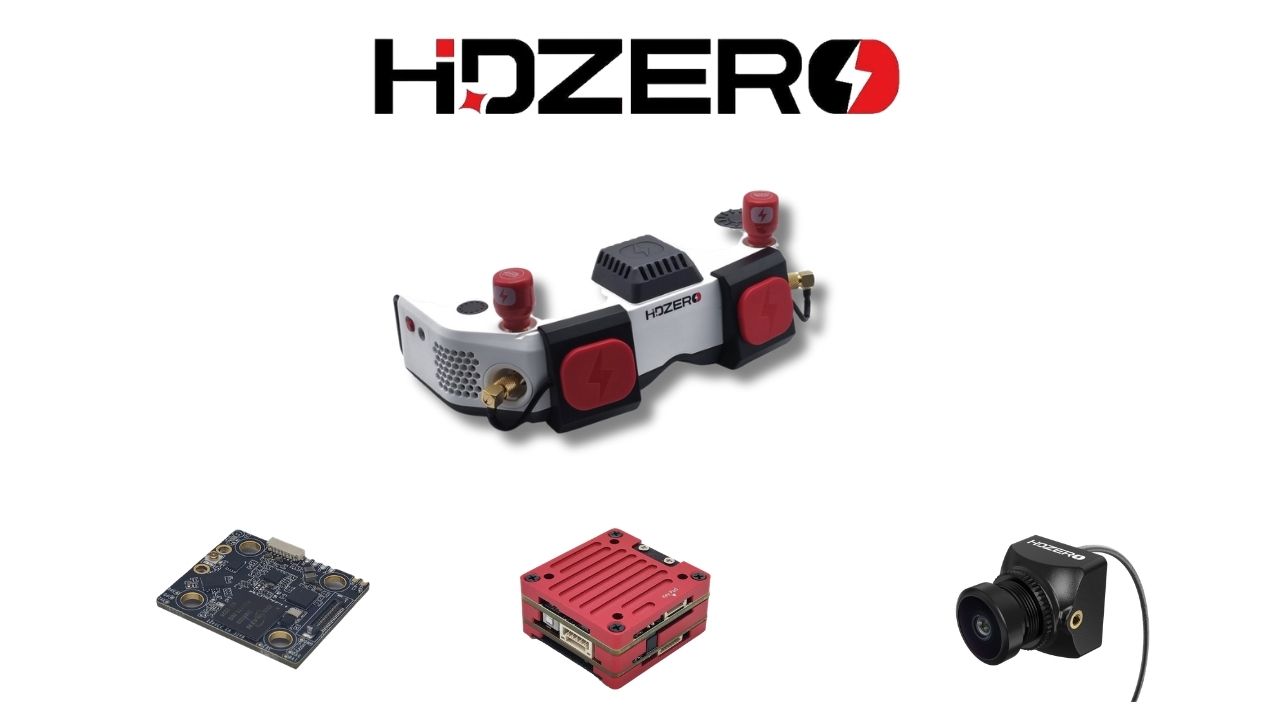
DJI, Walksnail, and HDZero represent the three major digital FPV ecosystems currently available to FPV pilots. Each system offers a different balance of image quality, latency, range, features, and cost.
DJI FPV System
DJI has played a major role in the growth of digital FPV by introducing high-definition video transmission with excellent image quality and ease of use. The DJI FPV ecosystem includes compatible cameras, air units, and goggles that work together as a complete digital video system.
Many FPV pilots choose DJI for its sharp video quality, strong signal performance, and integrated recording capabilities. These features make it particularly popular among freestyle pilots, cinematic content creators, and professional drone operators.
While DJI offers one of the most polished FPV experiences available, it typically comes at a higher cost than many alternative systems and operates within a closed ecosystem.
Walksnail Avatar Syste
Walksnail is a digital FPV ecosystem that focuses on delivering high image quality while maintaining flexibility and a wide range of hardware options. The system offers cameras, video transmitters, receivers, and goggles designed for various FPV applications.
Many pilots consider Walksnail a balanced option between image quality, features, and cost. The ecosystem supports a variety of drone sizes, from small whoops to larger freestyle and long-range builds.
Walksnail continues to gain popularity among freestyle and recreational FPV pilots due to its growing ecosystem and regular feature updates.
HDZero System
HDZero is a digital FPV ecosystem designed with a strong focus on low latency and consistent video performance. Unlike many other digital systems, HDZero prioritizes responsiveness, making it particularly attractive for competitive FPV racing.
Many racing pilots prefer HDZero because of its predictable latency and direct flying feel. The system also offers an open ecosystem with multiple hardware options from different manufacturers.
Although HDZero does not provide the same image quality as some other digital systems, it remains one of the most popular choices for pilots who prioritize speed, precision, and low-latency performance.
Several newer digital FPV systems are also emerging in the market and continue to evolve as the technology develops.
Some of these systems include:
OpenIPC
Walksnail Ascent
BetaFPV ArtLynk
Edge T3
STARTRC VT5
Most of these platforms are still in the early stages of development and have smaller user communities compared to DJI, Walksnail Avatar, and HDZero. As the digital FPV ecosystem continues to grow, these systems may introduce new features, technologies, and alternatives for FPV pilots.system.
Which FPV Video System Should You Choose?
The best FPV video system depends on your flying style, budget, and performance requirements. No single system is perfect for every pilot.
Feature
Analog FPV
HDZero
Walksnail Avatar
DJI FPV
Image Quality
⭐⭐
⭐⭐⭐
⭐⭐⭐⭐
⭐⭐⭐⭐⭐
Latency
⭐⭐⭐⭐
⭐⭐⭐⭐⭐
⭐⭐⭐
⭐⭐⭐
Racing
⭐⭐⭐⭐
⭐⭐⭐⭐⭐
⭐⭐⭐
⭐⭐⭐
Freestyle
⭐⭐⭐
⭐⭐⭐⭐
⭐⭐⭐⭐
⭐⭐⭐⭐
Cinematic Flying
⭐⭐
⭐⭐⭐
⭐⭐⭐⭐
⭐⭐⭐⭐⭐
Long Range
⭐⭐⭐⭐
⭐⭐⭐
⭐⭐⭐⭐
⭐⭐⭐⭐
Cost
⭐⭐⭐⭐⭐
⭐⭐⭐
⭐⭐⭐
⭐⭐
Cross Compatibility
⭐⭐⭐⭐⭐
⭐⭐⭐
⭐⭐
⭐
Ecosystem Flexibility
⭐⭐⭐⭐⭐
⭐⭐⭐⭐
⭐⭐⭐
⭐⭐
Ease of Repair & Replacement
⭐⭐⭐⭐⭐
⭐⭐⭐
⭐⭐⭐
⭐⭐
Quick Recommendations
Choose Analog FPV if:
Analog FPV is an excellent choice for beginners, especially during the learning phase when crashes are common. The equipment is relatively inexpensive, components from different manufacturers often work together, and damaged parts are usually easy and affordable to replace. Analog systems also offer very low latency, making them a popular option for FPV racing and pilots who prioritize responsiveness over image quality.
Choose HDZero if:
HDZero is ideal for pilots who want a digital FPV experience while maintaining extremely low and predictable latency. Many competitive racing pilots choose HDZero because of its responsive feel and consistent video performance. It is also one of the more open digital ecosystems available, offering compatibility with hardware from multiple manufacturers.
Choose Walksnail Avatar if:
Walksnail offers a strong balance between image quality, features, performance, and cost. It has become a popular choice among freestyle and recreational FPV pilots who want a modern digital FPV experience without committing to the DJI ecosystem. Walksnail also supports a wide range of drone sizes, from small whoops to larger freestyle and long-range builds.
Choose DJI FPV if:
DJI is the preferred choice for pilots who prioritize image quality, ease of use, and an immersive flying experience. The system delivers some of the best video quality currently available in FPV and is widely used for cinematic flying, content creation, and professional applications. Today, DJI remains one of the most popular digital FPV ecosystems and is often the first choice for pilots entering the digital FPV world.
FPV drones, also known as First Person View drones, have transformed the way enthusiasts experience unmanned flight by combining real-time video transmission with precise manual control. From high-speed FPV racing and freestyle flying to long-range exploration and cinematic aerial footage, FPV systems offer a highly immersive and engaging flying experience for beginners and professionals alike.
Getting started with FPV drones can initially feel overwhelming due to the wide range of drone types, components, gear, and software involved. Understanding essential elements such as FPV goggles, radio controllers, LiPo batteries, flight controllers, video transmitters, and tuning systems is important for building confidence and improving flight performance.
This beginner’s guide explores everything you need to know to start your FPV journey, including FPV drone types, building vs buying, simulators, safety practices, essential accessories, tuning basics, and the skills required to become a confident FPV pilot.
What Is an FPV Drone?
For many people, the word “drone” usually brings to mind camera drones like DJI drones, which are mainly used for stable aerial photography and automated flight. FPV drones offer a completely different experience, focusing more on real-time control, responsiveness, and immersive flying rather than automated operation.
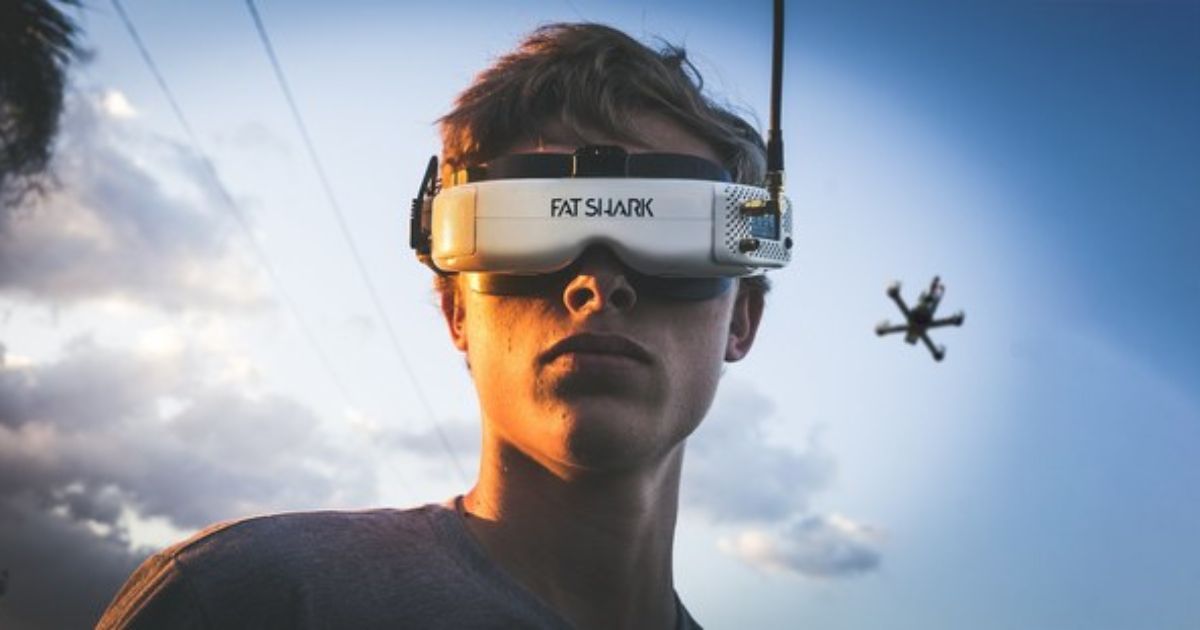
An FPV (First Person View) drone allows the pilot to experience flight from the aircraft’s perspective through a live video feed transmitted to FPV goggles or a display screen. Instead of flying the drone while watching it from the ground, the pilot experiences flight in real time as if sitting inside the aircraft itself.
The combination of real-time video feedback and highly responsive manual control makes FPV drones popular for freestyle flying, racing, cinematic filming, and long-range exploration. For many enthusiasts, FPV flying offers a unique blend of technology, skill, and immersive flight experience.
FPV Drone vs Traditional Camera Drone
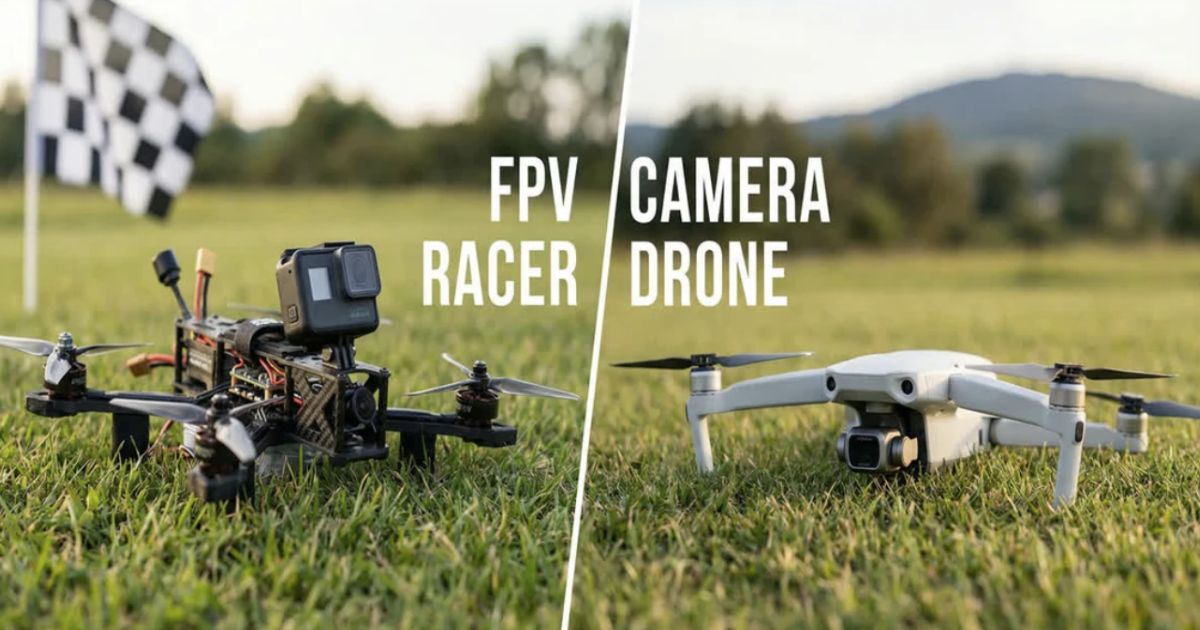
Although both FPV drones and traditional camera drones are designed for aerial flight, they offer completely different flying experiences and control styles. Traditional camera drones, such as DJI drones, are mainly built for stable aerial photography, automated flight, and ease of use. Most beginners can learn to fly them quickly using assisted flight features and automated stabilization systems.
FPV, which stands for First Person View, allows the pilot to see exactly what the drone’s camera sees in real time through FPV goggles or a display screen. This immersive perspective creates the feeling of sitting inside the aircraft itself, giving the pilot a much more connected and dynamic flying experience compared to watching the drone from the ground or through a smartphone screen.
Unlike traditional camera drones, FPV drones are designed for manual control, responsiveness, and agility. This allows pilots to fly through tight spaces, perform freestyle tricks, navigate obstacles with precision, and capture fast-paced cinematic footage that would be difficult to achieve using conventional drones.
Because FPV drones rely more on pilot skill and real-time control, they usually have a steeper learning curve. Learning FPV flying requires practice, focus, and patience, especially when flying in manual or Acro mode. However, for many enthusiasts, this challenge is exactly what makes FPV flying exciting and rewarding.
Beyond racing and freestyle flying, FPV drones have also become popular in cinematic videography, exploration, and creative aerial filming. The growing FPV community around the world continues to attract enthusiasts who enjoy technology, flying, problem-solving, and immersive flight experiences.
Choosing Your FPV Flying Style
FPV drone flying is generally divided into three main styles: freestyle, racing, and cinematic flying. Each style offers a different flying experience, flying technique, and purpose depending on what the pilot wants to achieve. Understanding these categories can help beginners choose the right FPV setup and develop the skills required for their preferred style of flying.
Freestyle FPV
Freestyle FPV focuses on creativity, control, and acrobatic flying. Pilots perform flips, dives, rolls, power loops, and smooth aerial maneuvers while exploring different environments. Freestyle flying is one of the most popular FPV styles because it combines technical skill with personal flying style and creativity.
FPV Racing
FPV racing is focused on speed, precision, and quick reaction time. Racing pilots fly through obstacle courses and gates at very high speeds while maintaining accurate control. Racing drones are usually lightweight, highly responsive, and optimized for maximum performance and acceleration.
Cinematic FPV
Cinematic FPV focuses on capturing smooth and immersive aerial footage. These drones are commonly used for filmmaking, travel videos, action shots, and professional video production. Unlike freestyle or racing, cinematic FPV prioritizes stable movement, controlled flying, and dynamic camera motion to create visually engaging footage.
In addition to these main categories, there are also specialized FPV styles such as Long-Range FPV, which focuses on extended flight distance and exploration, and Tiny Whoops & Indoor FPV, which use small lightweight drones designed for indoor flying, practice, and tight environments.
Many FPV pilots eventually explore multiple flying styles as their skills and experience grow. Each category offers a unique flying experience and helps pilots develop different aspects of FPV control, creativity, and technical understanding.
Stay Updated with FPV & UAV Insights
Get practical knowledge, real-world tips, and the latest updates on FPV drones and UAV systems delivered straight to your inbox.
Starting with FPV drones can feel overwhelming at first, especially with the wide range of equipment, software, and flying styles available. One of the biggest mistakes beginners make is purchasing a powerful FPV drone immediately without first developing basic control skills. The best way to begin your FPV journey is by following a structured learning approach that helps build confidence and reduces unnecessary crashes and expenses.
Start With an FPV Simulator
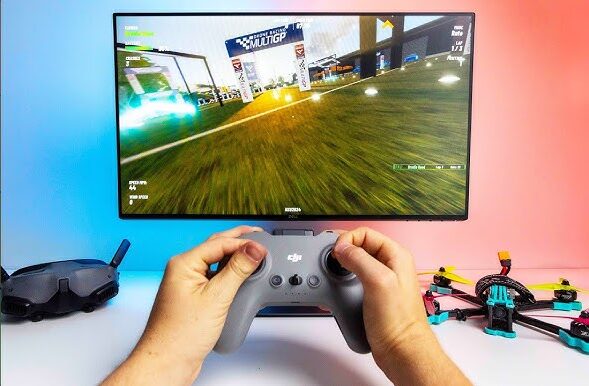
Before flying a real FPV drone, it is highly recommended to start with an FPV simulator. Simulators allow beginners to practice flying in a safe virtual environment without risking damage to expensive FPV gear. They help pilots understand basic controls, improve coordination, and develop muscle memory that is essential for real-world flying.
FPV simulators are especially useful for learning Acro mode, which is the standard manual flight mode used in FPV flying. Since FPV drones are highly responsive and manually controlled, simulator practice can significantly reduce the learning curve and improve overall confidence before the first real flight.
Popular FPV simulators such as Liftoff, Velocidrone, Uncrashed, DRL, TRYP FPV, and DCL provide realistic flight physics, customizable drone setups, and different practice environments for both beginners and experienced pilots. If you are a complete beginner, simulators like DRL and FPV Freerider are a great starting point and can even be used on a mobile phone for basic practice. However, for the best and most realistic FPV experience, using a PC setup with a proper radio controller is highly recommended.
Each FPV simulator offers slightly different flight physics and is often better suited for specific flying styles. Simulators like Velocidrone and DCL are commonly preferred for FPV racing due to their precise and responsive physics, while Liftoff, Uncrashed, and TRYP FPV are popular choices for freestyle flying and cinematic practice because of their immersive environments and smoother flight feel.
Starting with a simulator is one of the safest, most affordable, and most effective ways to enter the world of FPV drones.
Choosing Your First Radio Controller
One of the first and most important investments in FPV flying is the radio controller, also known as the transmitter. Since FPV simulators are highly recommended for beginners, starting simulator practice with a proper transmitter instead of a keyboard or gaming controller helps develop correct muscle memory, stick control, and coordination before flying a real FPV drone.
Unlike drones, which may change over time depending on your flying style or requirements, a good radio controller can remain useful for many years. Choosing the right transmitter early can improve comfort, confidence, and the overall learning experience.
For beginners, comfort and compatibility are more important than purchasing the most expensive controller. Since FPV flying requires precise stick control and long practice sessions, the shape, size, switch placement, and grip of the radio controller should feel comfortable in your hands. Many pilots prefer compact gamepad-style radios, while others prefer larger traditional transmitters depending on their flying style and hand size.
Over the years, FPV pilots have used different radio systems such as FlySky, FrSky, Futaba, Crossfire, ELRS, and other proprietary protocols. However, ELRS (ExpressLRS) is currently one of the most recommended radio systems for FPV drones due to its low latency, long range, strong signal reliability, active community support, and affordable hardware ecosystem. It is widely used in freestyle, racing, cinematic, and long-range FPV setups.
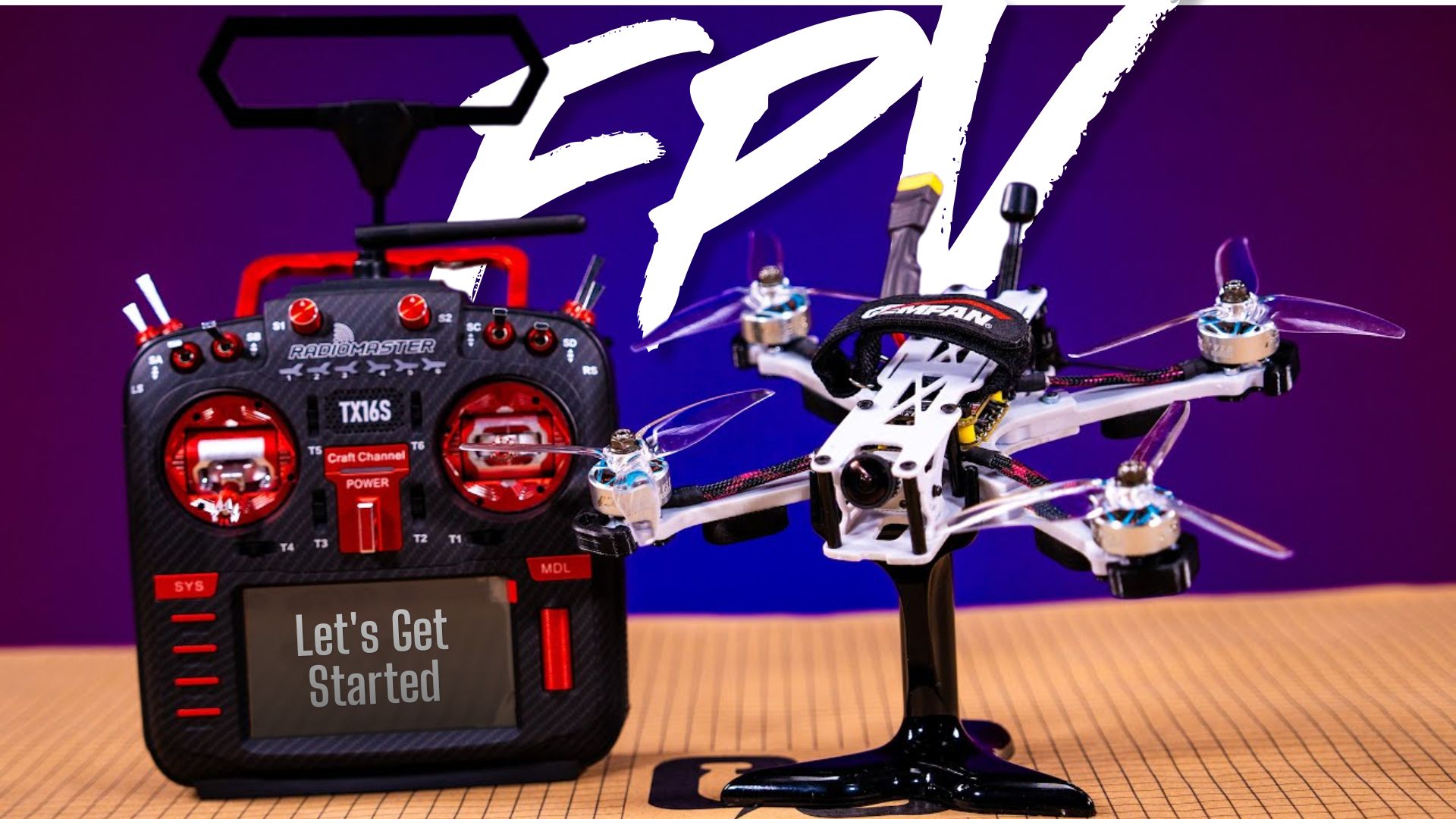
Popular beginner-friendly radio controllers include the RadioMaster Boxer, Pocket, TX16S, and Zorro, along with several ELRS-compatible radios from BetaFPV and Jumper. Starting with a reliable ELRS-based transmitter is currently one of the best long-term choices for most beginners entering the world of FPV drones.
Understanding Basic FPV Controls
Before practicing in an FPV simulator or flying a real drone, it is important to understand the four basic flight controls used in FPV flying: throttle, pitch, roll, and yaw. These controls determine how the drone moves in the air and are operated using the sticks on the radio controller.
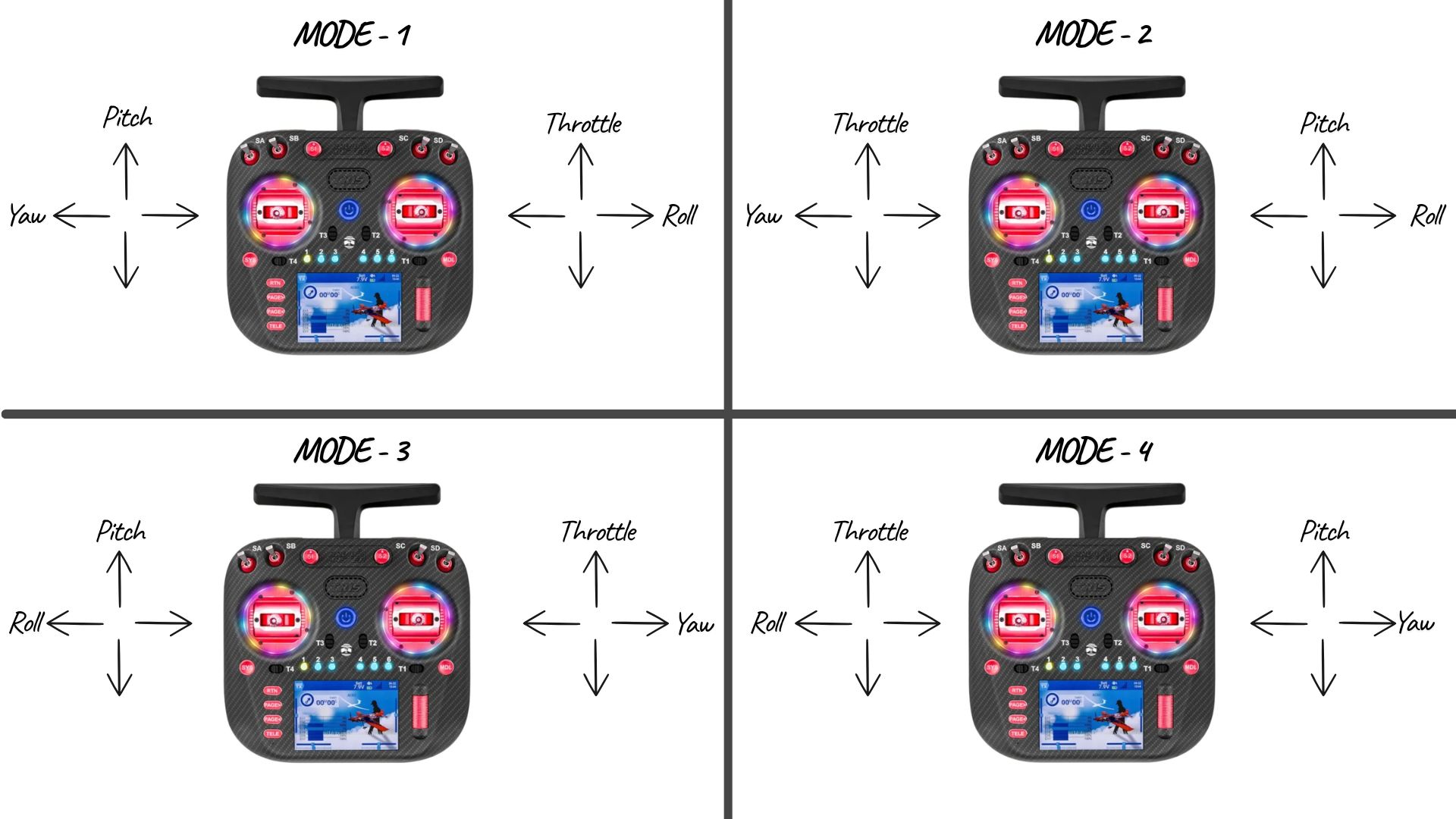
Most FPV pilots use Mode 2, which is the most common transmitter layout used in FPV flying. In Mode 2, the left stick controls throttle and yaw, while the right stick controls pitch and roll.
Unlike fixed-wing RC airplanes, FPV drones do not use control surfaces such as rudders, elevators, or ailerons to change direction. Most FPV drones use a quadcopter configuration with four motors arranged in an “X” layout. The drone moves by changing the rotational speed of individual motors, allowing it to tilt, rotate, and maneuver in different directions.
Throttle
Throttle controls the overall lift of the drone. When the throttle stick is increased, all four motors spin faster at the same rate, generating more thrust and causing the drone to climb upward. Lowering the throttle reduces motor speed and decreases altitude.
Pitch
Pitch controls forward and backward movement. When pitching forward, the rear motors increase speed relative to the front motors, causing the drone to tilt forward and move ahead. Pitching backward works in the opposite way.
Roll
Roll controls left and right movement. To roll right, the motors on the left side increase speed relative to the motors on the right side, causing the drone to tilt and move toward the right. Left roll movements work in the opposite direction.
Yaw
Yaw controls the rotation of the drone around its vertical axis. In a quadcopter, two diagonal motors rotate clockwise while the other two rotate counterclockwise. This opposing motor rotation helps cancel rotational forces and maintain stability during flight.
According to Newton’s Third Law, every action produces an equal and opposite reaction. By changing the speed difference between the clockwise and counterclockwise motor pairs, the drone generates rotational force that allows it to rotate left or right during yaw movements.
Flight Modes
Most FPV drones support different flight modes designed for various skill levels.
Angle Mode provides self-leveling and is easier for beginners.
Horizon Mode combines self-leveling with limited acrobatic movement.
Acro Mode provides full manual control without self-leveling and is the standard mode used in freestyle flying, racing, and advanced FPV flying.
Although Acro mode can feel challenging at first, it offers the highest level of control and is the preferred flight mode for most experienced FPV pilots.
After spending time in an FPV simulator and becoming comfortable with the basic controls, the next step is choosing your first real FPV drone. For most beginners, this usually comes down to two options: buying a Bind-and-Fly (BNF) drone or building a custom FPV drone from individual components.
Bind-and-Fly (BNF) FPV Drones
Bind-and-Fly drones come prebuilt and preconfigured from the manufacturer, allowing beginners to start flying much faster. If you already have enough confidence from simulator practice and want to experience real FPV flying quickly, a BNF drone can be a great option.
BNF drones are especially useful for beginners who want to focus first on flying skills rather than assembly and technical setup. In most cases, you simply bind the drone to your radio controller, configure a few basic settings, and start flying.
Building Your Own FPV Drone
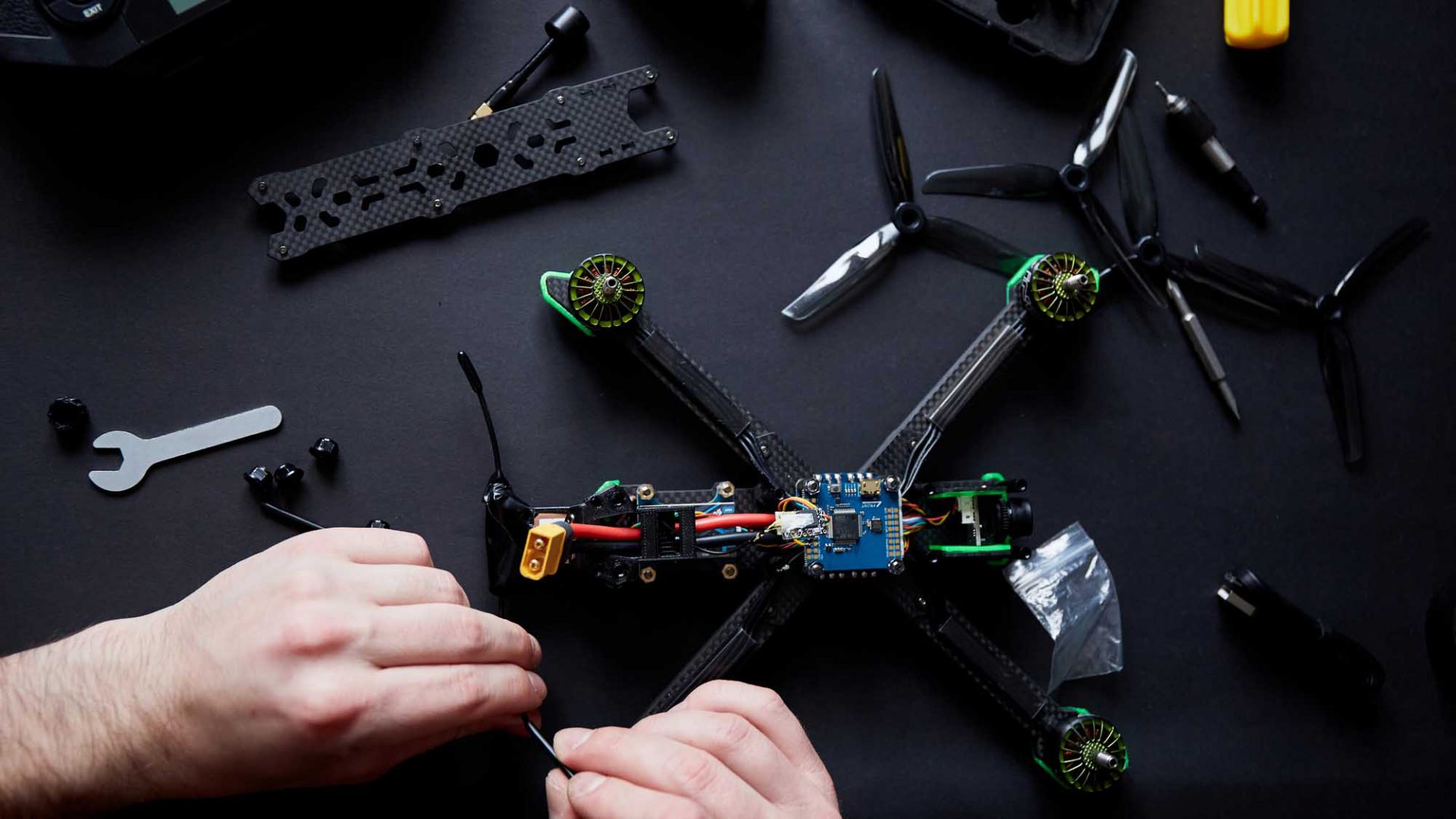
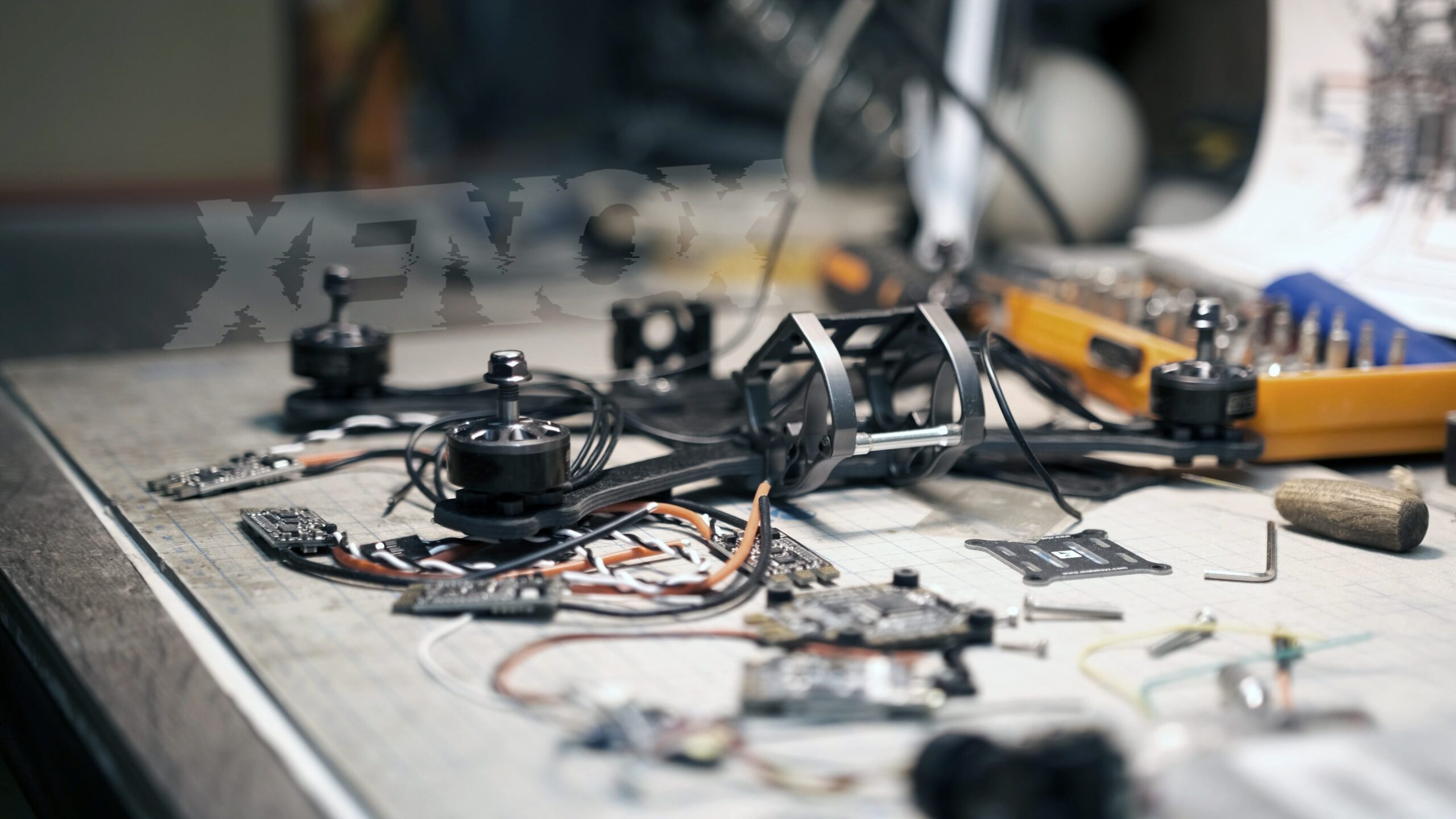
Building an FPV drone from scratch takes more time and patience, but it provides a much deeper understanding of how FPV systems actually work. During the building process, pilots learn about components such as motors, ESCs, flight controllers, video systems, receivers, antennas, and power distribution.
Although building can initially feel more difficult, it often helps beginners become more confident because they understand how to diagnose problems, replace damaged parts, and repair the drone after crashes.
Why Learning the Drone Anatomy Matters
Regardless of whether you start with a BNF drone or a custom build, learning the anatomy of an FPV drone is extremely important. Crashes are a normal part of FPV flying, especially during the learning phase, and pilots eventually need to understand how to troubleshoot and repair their drones.
Over time, even BNF pilots gradually learn more about components, tuning, maintenance, and system setup through repairs, upgrades, and regular flying experience. Understanding how the drone works not only improves confidence but also helps pilots become safer and more capable FPV operators.
FPV drones may appear complex at first due to the large number of electronic components, systems, and technical terms involved. However, every FPV drone is built from a combination of interconnected components that work together to control flight, generate thrust, transmit video, and maintain stable operation in the air.
Understanding the components of an FPV drone is one of the most important steps in learning FPV technology. From the flight controller and ESCs to motors, propellers, batteries, cameras, and video transmitters, each part plays a specific role in the overall performance and flying experience of the drone.
This guide explains the essential components used in modern FPV drones and how these systems work together to achieve precise control, responsive flight, and immersive real-time flying.
Working – Basic Overview
The working of an FPV drone starts with the pilot giving control inputs through the radio controller, also known as the transmitter. These signals are sent wirelessly to the drone, allowing it to respond to movements such as throttle, pitch, roll, and yaw in real time.
At the same time, the onboard FPV camera continuously transmits live video back to the pilot’s FPV goggles or display screen. This allows the pilot to see from the drone’s perspective while flying.
As the pilot observes the drone’s movement and position through the live video feed, new control inputs are continuously sent to the drone for correction and navigation. This continuous exchange between pilot control and real-time video feedback is what creates the immersive and highly responsive FPV flying experience.
This is only the basic idea of how an FPV drone works. As we move through the individual components later in this guide, we will revisit the same process in much greater detail. By that point, the complete working of an FPV drone will make much more sense and help you better understand how all the systems work together during flight.
Main Components of an FPV Drone
Frame
Flight Controller (FC)
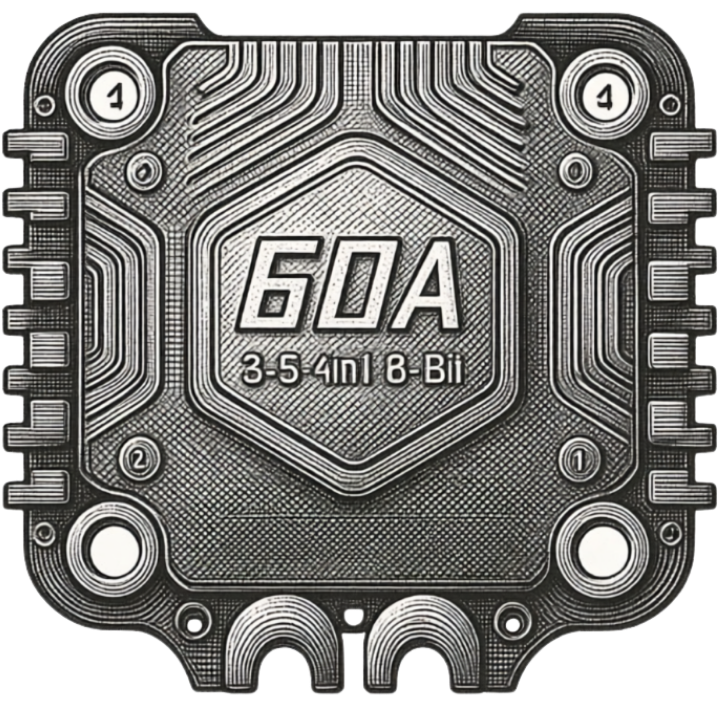
Electronic Speed Controller (ESC)
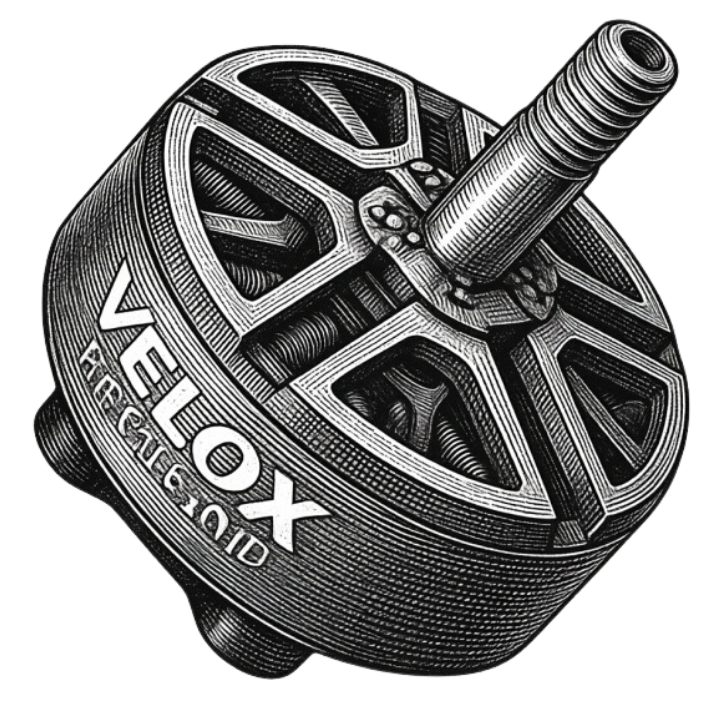
Brushless Motors
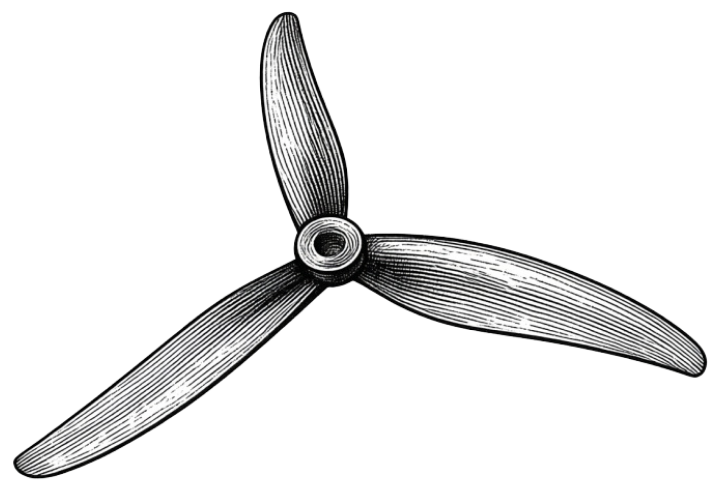
Propellers
Radio Receiver (RX)
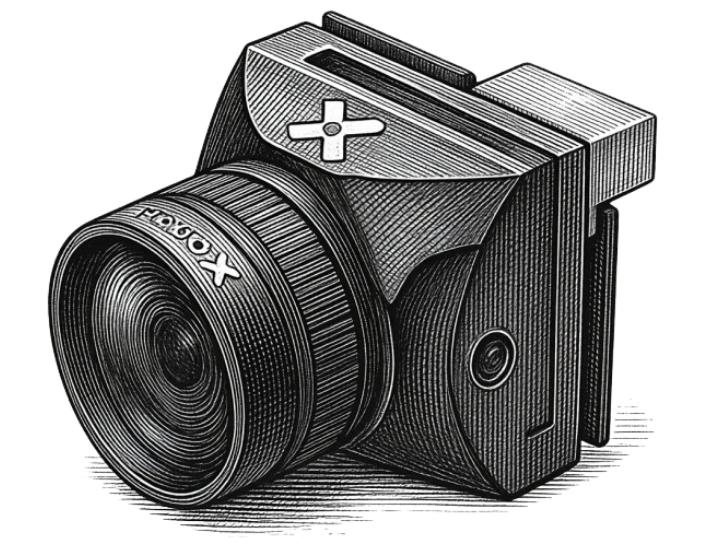
FPV Camera
Video Transmitter (VTX)
Antennas
FPV Goggles
LiPo Battery
Radio Controller / Transmitter (TX)
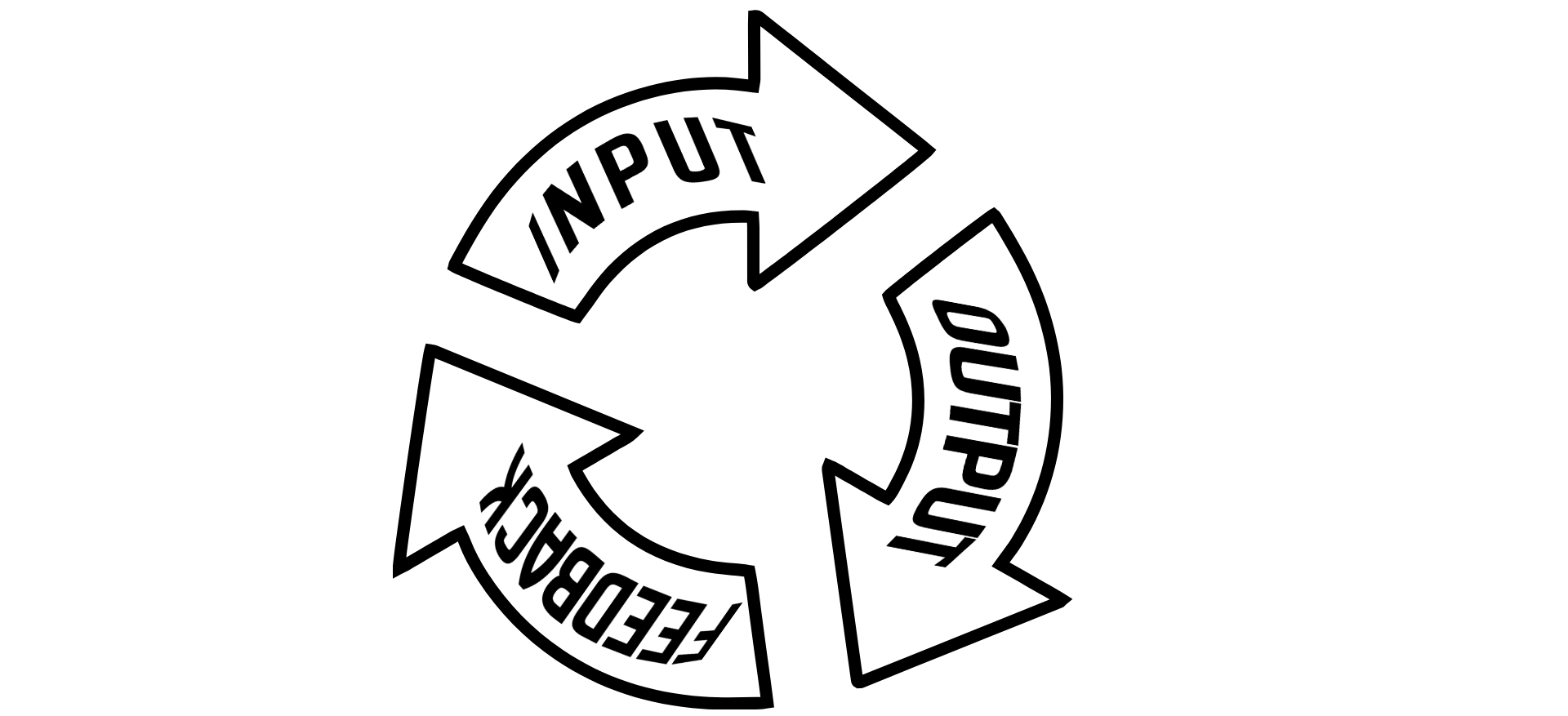
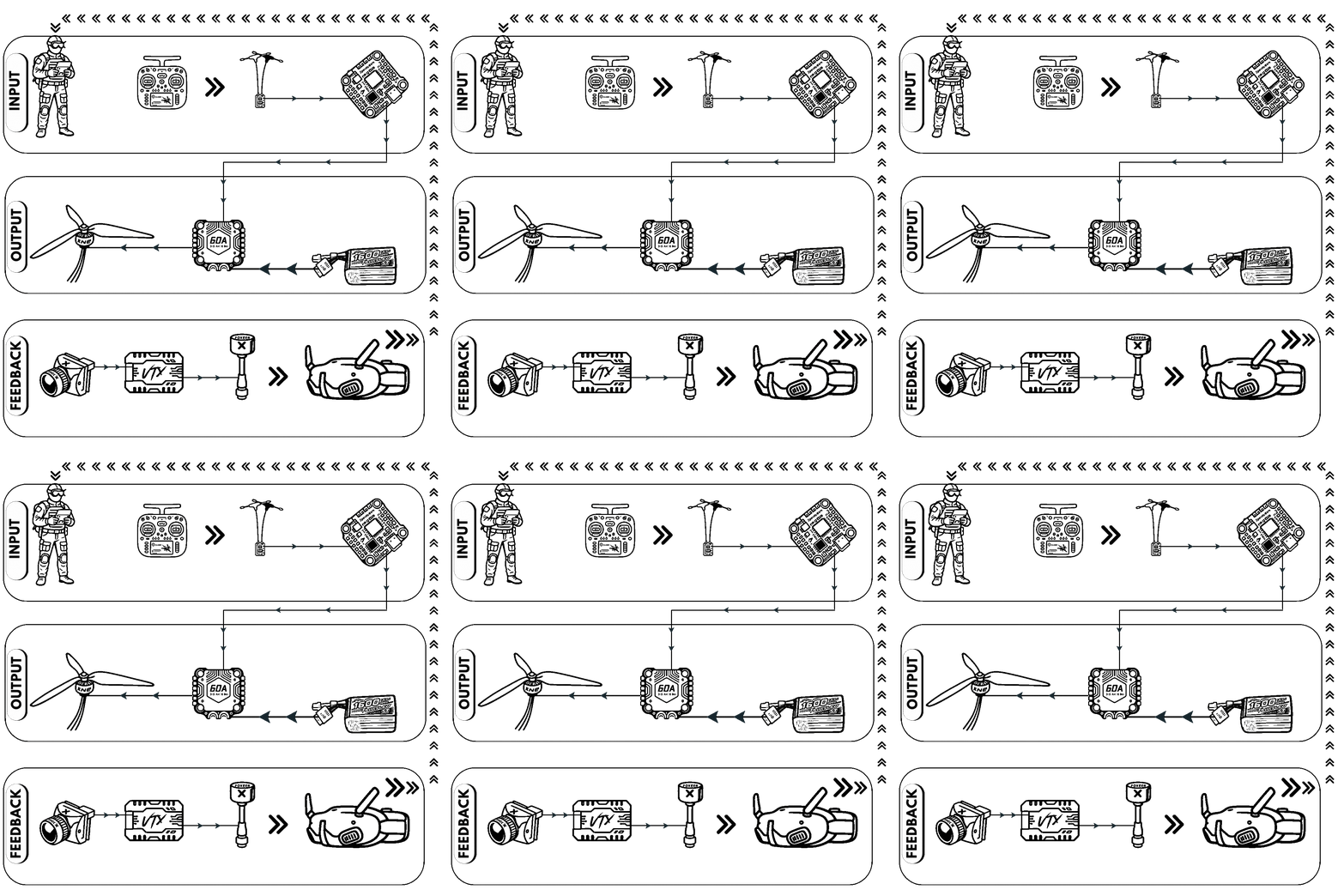
To better understand how these components interact during flight, the complete FPV drone system can be divided into three main sections: the input system, output system, and feedback system.
Input – Radio Controller / Transmitter (TX), Radio Receiver (RX), Flight Controller (FC) Output– Battery, Electronic Speed Controllers (ESC), Brushless Motors, Propellers Feedback-FPV Camera, Video Transmitter (VTX), Antennas, FPV Goggles
Frame
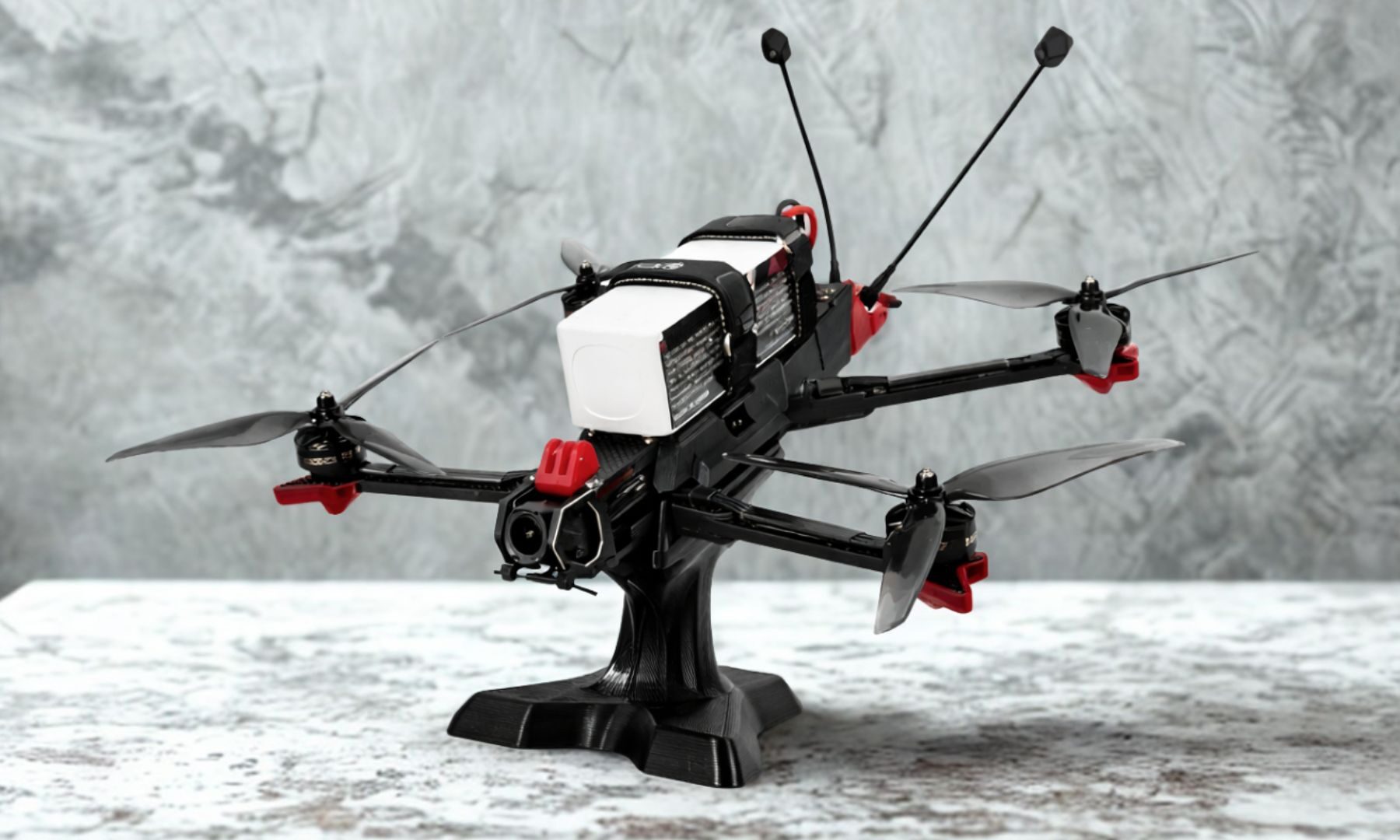
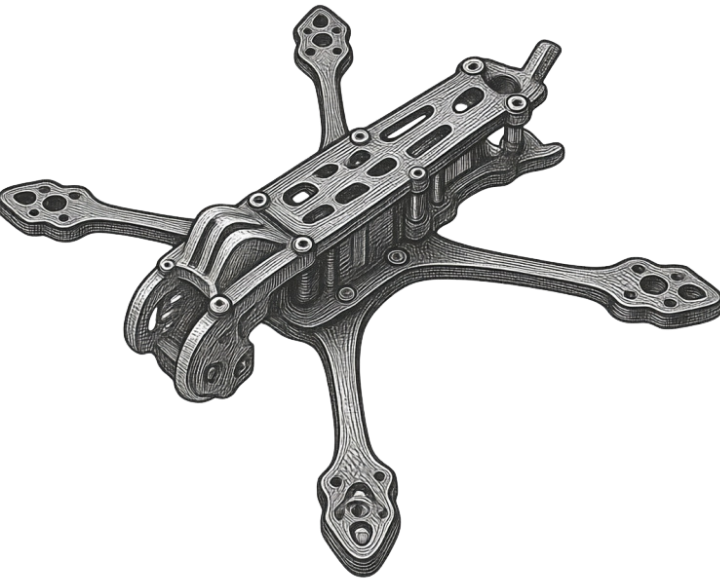
The frame is the main structural body of the FPV drone that holds and supports all the components together, including the motors, flight controller, ESC, camera, and battery. It plays an important role in the durability, weight, stability, and overall flying characteristics of the drone.
Most FPV drone frames are made from carbon fiber because of its high strength, lightweight properties, and vibration resistance. FPV frames are available in different sizes and designs depending on the intended flying style, such as freestyle, racing, cinematic, or long-range flying.
The frame layout also affects component placement, airflow, camera angle, and maintenance accessibility during repairs or upgrades.
Radio Controller / Transmitter (TX)
The radio controller, also known as the transmitter, is the device used by the pilot to control the FPV drone during flight. Stick movements and switch inputs are converted into wireless signals and transmitted to the radio receiver (RX) installed on the drone in real time.
In FPV flying, the transmitter controls movements such as throttle, pitch, roll, and yaw, allowing the pilot to maneuver the drone accurately during flight. Most FPV pilots use a Mode 2 layout, where the left stick controls throttle and yaw, while the right stick controls pitch and roll.
Modern FPV systems use different radio communication protocols such as FrSky, Crossfire, and ELRS (ExpressLRS), with ELRS currently being one of the most popular choices due to its low latency, long range, and reliable performance.
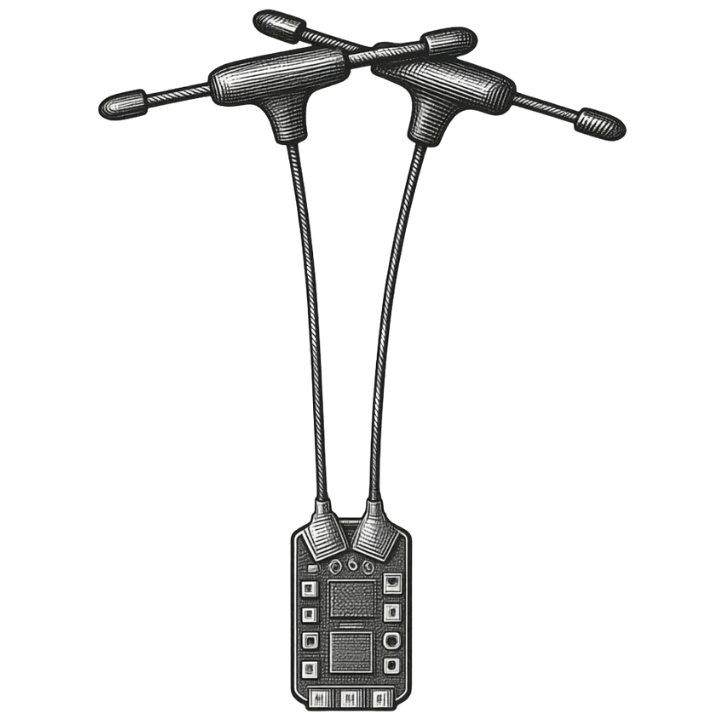
Radio Receiver (RX)
The radio receiver, commonly known as the RX, is installed on the FPV drone and is responsible for receiving wireless control signals transmitted from the radio controller. It acts as the communication link between the pilot and the drone during flight.
Once the receiver gets the control signals from the transmitter, it passes them to the flight controller for further processing. For proper communication, both the transmitter (TX) and receiver (RX) must support the same radio protocol, such as FrSky, Crossfire, or ELRS (ExpressLRS).
The reliability and quality of this radio link are extremely important for maintaining stable control and safe operation of the drone. Modern FPV systems widely use ELRS receivers due to their low latency, long range, and reliable signal performance.
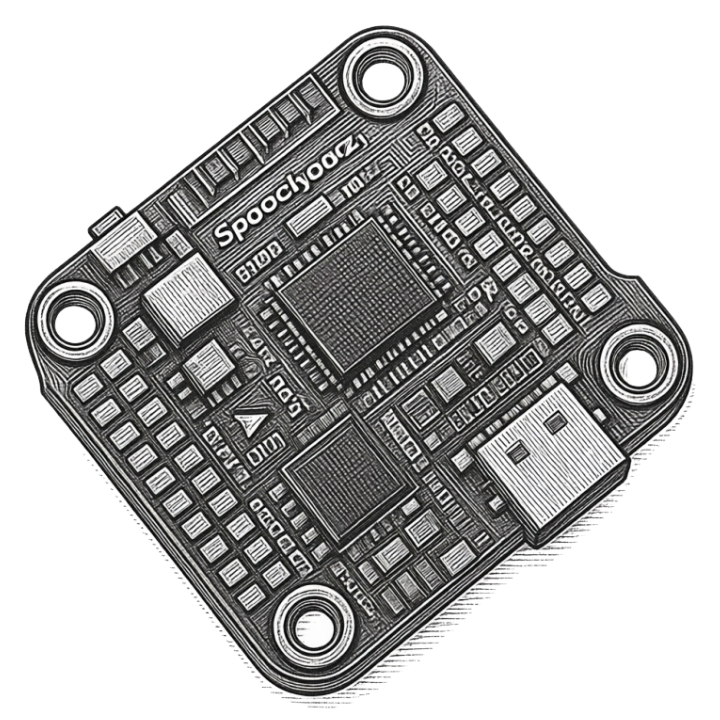
Flight Controller (FC)
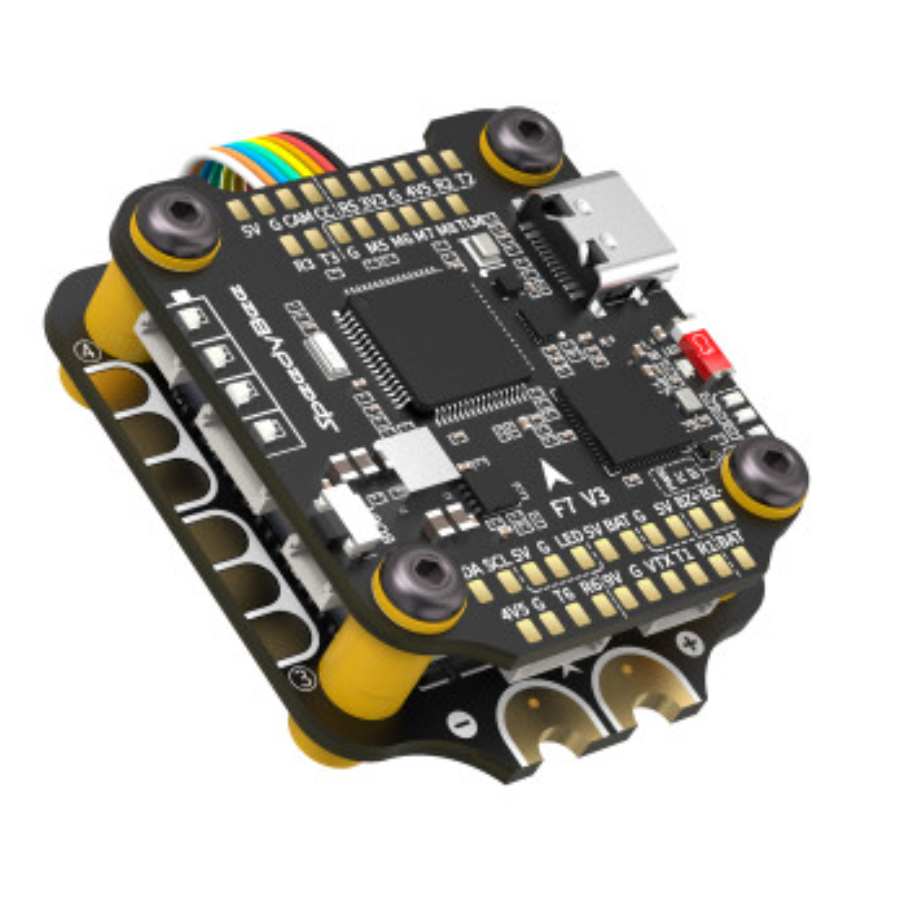
The flight controller, commonly known as the FC, is considered the brain of the FPV drone because almost all major onboard processes are managed through it. Functions such as stabilization, OSD (On-Screen Display), telemetry, flight processing, and communication with other onboard systems are handled by the flight controller during operation.
The FC receives control signals from the radio receiver, processes flight data, and continuously controls the motors to keep the drone stable and responsive during flight. Flight controllers contain sensors such as gyroscopes and accelerometers that detect the drone’s movement and orientation in real time.
Based on the pilot’s inputs and sensor data, the flight controller sends commands to the Electronic Speed Controllers (ESCs) to adjust motor speeds accordingly. FPV drones mostly use Betaflight firmware with flight controllers based on processors such as F4, F7, and H7.
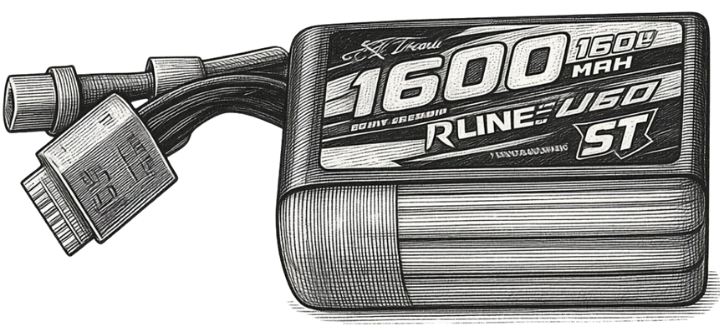
Battery
The battery is the main power source of the FPV drone and supplies electrical energy to all onboard systems during flight. FPV drones mainly use Lithium Polymer (LiPo) batteries because they can deliver high current output required for fast throttle response, rapid acceleration, and high-performance flying.
Different battery voltages and capacities are used depending on the drone size and flying style. Common FPV battery configurations include 4S and 6S LiPo batteries, which are widely used in freestyle, racing, and cinematic FPV drones.
Some long-range FPV setups also use Lithium-Ion (Li-ion) batteries due to their higher energy density and longer flight endurance. However, LiPo batteries remain the most commonly used choice in FPV flying because of their high discharge capability and responsive performance.
Electronic Speed Controller (ESC)
The Electronic Speed Controller, commonly known as the ESC, is responsible for controlling the speed of the brushless motors in the FPV drone. It receives commands from the flight controller and adjusts motor speed accordingly during flight.
ESCs convert electrical power from the battery into controlled three-phase power required for driving brushless motors. By rapidly increasing or decreasing motor speed, the ESC helps the drone respond accurately to pilot inputs such as throttle, pitch, roll, and yaw.
FPV drones commonly use 4-in-1 ESCs, where all four ESCs are integrated into a single board to reduce weight and simplify wiring. ESC performance plays an important role in throttle response, flight smoothness, and overall reliability of the drone.
Brushless Motors
Brushless motors generate the rotational force required to spin the propellers and produce thrust for the FPV drone. The speed of each motor is continuously controlled by the ESC based on commands from the flight controller during flight.
Most FPV drones use four brushless motors arranged in a quadcopter configuration. By changing the speed of individual motors, the drone can perform movements such as throttle, pitch, roll, and yaw.
FPV motors are available in different sizes and KV ratings depending on the drone size and flying style. Higher KV motors generally provide faster RPM and aggressive response, while lower KV motors are often used for efficiency and smoother flight characteristics.
Propellers
Propellers convert the rotational force generated by the brushless motors into thrust, allowing the FPV drone to lift and move through the air. Most quadcopters use four propellers, with two rotating clockwise and the other two rotating counterclockwise to maintain stability during flight.
FPV propellers are available in different sizes, blade counts, and pitch designs depending on the performance requirements of the drone. The size of an FPV drone is commonly identified by its propeller size. For example, a “5-inch drone” refers to a drone using 5-inch propellers.
Propeller pitch represents how aggressively the propeller moves air during rotation. Higher pitch propellers generally provide stronger thrust and faster response, while lower pitch propellers offer smoother and more efficient flight characteristics.
FPV Camera
The FPV camera captures real-time video from the drone and sends it to the video transmitter during flight. This live video feed allows the pilot to see from the drone’s perspective through FPV goggles or a display screen.
Unlike normal action cameras, FPV cameras are designed for very low latency and fast light adjustment to provide responsive real-time flying performance. FPV cameras are available in both analog and digital systems depending on the video transmission setup used in the drone.
Factors such as image quality, latency, field of view (FOV), and low-light performance play an important role in the overall FPV flying experience.
Video Transmitter (VTX)
The Video Transmitter, commonly known as the VTX, is responsible for transmitting the live video signal from the FPV camera to the pilot’s FPV goggles or display screen during flight.
The VTX receives video data from the camera and wirelessly transmits it using radio frequencies in real time. The transmission range and video quality mainly depend on factors such as output power, antenna quality, surrounding interference, and the type of video system used.
FPV drones commonly use either analog or digital video transmission systems. Many VTX units also support adjustable power levels and channel settings for different flying environments and signal requirements.
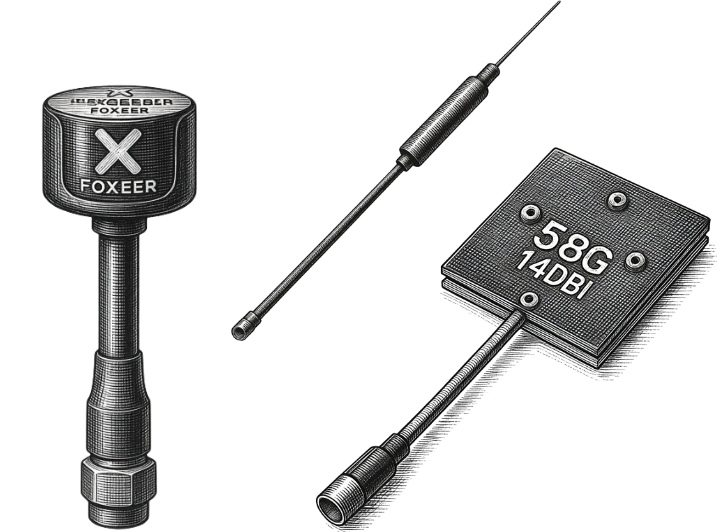
Antennas
Antennas are responsible for transmitting and receiving radio and video signals in the FPV system. They play an important role in maintaining signal strength, video quality, and communication reliability during flight.
FPV drones commonly use separate antennas for the radio receiver and the video transmission system. Different communication systems operate on different frequency bands such as 2.4 GHz, 5.8 GHz, 915 MHz, and 868 MHz depending on the application and protocol used.
In most FPV setups, video transmission commonly operates on 5.8 GHz, while radio control systems may use frequencies such as 2.4 GHz or 915 MHz for long-range communication. The quality, placement, and orientation of the antennas can significantly affect range, signal penetration, and overall flying performance.
Antennas are available in different designs and polarizations, such as linear and circular polarized antennas, depending on the communication system and flying requirements.
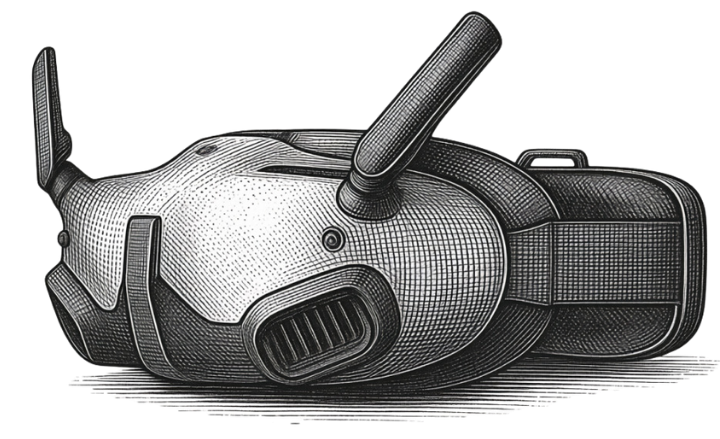
FPV Goggles
FPV goggles are used by the pilot to view the live video feed transmitted from the drone during flight. They create the immersive First Person View experience by allowing the pilot to see directly from the drone’s perspective in real time.
FPV goggles receive video signals from the video transmitter (VTX) installed on the drone and display them with minimal delay to maintain responsive control during flight. Most FPV systems use either analog or digital video transmission depending on the setup and flying requirements.
Factors such as image quality, latency, field of view (FOV), comfort, screen resolution, and receiver compatibility play an important role while choosing FPV goggles for different flying styles and applications.
Working – Complete Overview
The FPV Control Loop
INPUT – Pilot Control
The Input System is responsible for translating the pilot’s intentions into commands that the drone can understand.
When the pilot moves the sticks on the radio controller (TX), the transmitter converts those stick movements into wireless radio signals. The radio receiver (RX) installed on the drone receives these signals and passes them to the flight controller (FC).
The flight controller then interprets the pilot’s commands and determines how the drone should respond.
At this stage, the flight controller has received the pilot’s instructions and sends these signals to the power system.
OUTPUT – Power System
The Power System is responsible for physically executing the commands received from the flight controller. It converts electrical energy stored in the battery into the thrust required for flight.
The flight controller sends commands to the Electronic Speed Controllers (ESCs). The ESCs draw power from the LiPo battery and precisely regulate the speed of each brushless motor according to the instructions received from the flight controller.
As the motors spin the propellers, thrust is generated and the drone moves according to the pilot’s commands.
Power Flow: LiPo Battery → ESCs → Motors → Propellers
As the drone responds to the pilot’s inputs, the resulting movement is captured by the FPV video system and sent back to the pilot in real time.
FEEDBACK – FPV Video System
The FPV Video System provides real-time visual feedback to the pilot during flight. It allows the pilot to see the drone’s position, movement, and surroundings from the aircraft’s perspective.
As the drone moves, the FPV camera continuously captures live video. The Video Transmitter (VTX) then broadcasts this video signal through the antenna to the pilot’s FPV goggles or display screen.
FPV Camera → VTX → Antenna → FPV Goggles
By observing the live video feed, the pilot can assess the drone’s movement and make new control inputs through the radio controller. These commands are transmitted back to the drone, and the entire process repeats continuously throughout the flight.
This continuous loop between pilot control, drone response, and visual feedback is what makes FPV flying immersive, responsive, and precise.
Shopping Basket
Get Latest Updates
Receive structured insights, technical guidance, and real-world experiences from FPV and UAV systems.